
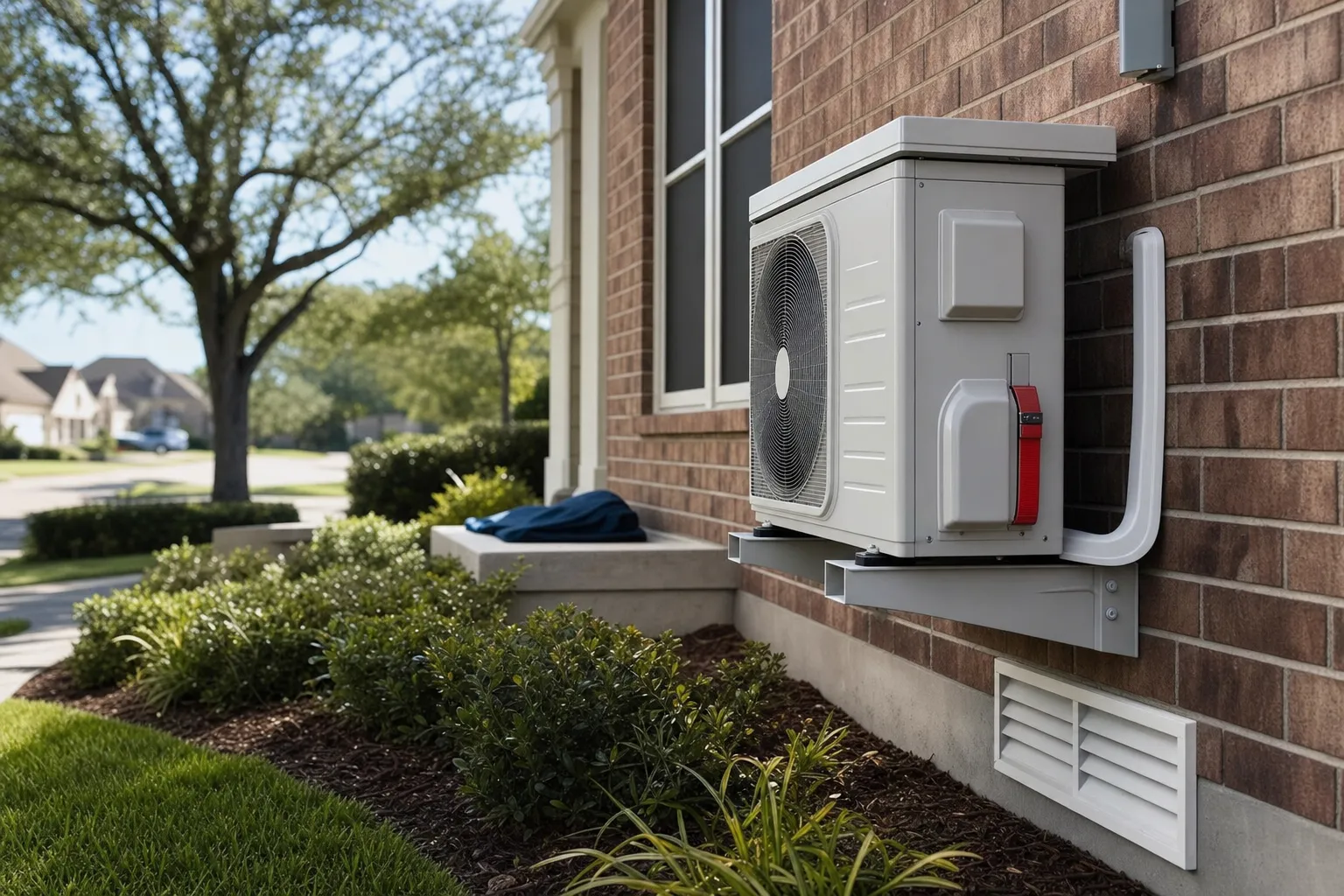
Common HVAC repairs in Houston most often involve refrigerant leaks, compressor or motor failures, clogged condensate drains, faulty capacitors or contactors, thermostat problems and air delivery issues caused by dirty filters or duct restrictions. We diagnose the root cause, explain your options, and perform the repair safely to restore comfort and system efficiency.
What we mean by common HVAC repairs
When we say common HVAC repairs we mean the recurring mechanical and electrical faults our technicians see across Houston residential and commercial systems. That includes central air conditioners, heat pumps, furnaces and ductless units. These repairs typically affect cooling capacity, heating output, airflow or drainage and can raise energy use or create comfort problems.
Why these repairs matter in Houston
Houston weather and building styles influence which failures show up and how quickly they worsen. Long cooling seasons, high humidity, frequent power fluctuations and older ductwork in some neighborhoods increase stress on systems in areas such as Montrose, The Heights and River Oaks. Leaving a small issue unchecked can lead to a more extensive failure during a heat wave or on a business operating schedule.
Key concepts you should know
- Refrigerant and pressure. Low refrigerant reduces cooling and can damage the compressor.
- Compressor and condenser. The outdoor unit moves heat out of the building; failures here stop cooling altogether.
- Blower motor and airflow. Restricted airflow causes uneven temperatures and can overheat heat exchangers.
- Electrical components. Capacitors, contactors and control boards are small parts that often produce major symptoms.
- Drainage and condensate. Clogged drains cause water damage and system shutdowns.
- Thermostat controls. A miscalibrated or failing thermostat can look like a system fault when the equipment is fine.
Common repairs we see, explained
Refrigerant leaks and low charge
Low refrigerant is a frequent issue that makes the system struggle to reach set temperatures. Signs include reduced cooling, longer run times and ice on evaporator coils. We locate leaks using approved leak detection tools, repair the leak if possible and recharge the system to the manufacturer specified level. Because refrigerant is handled by certified technicians, this is not a homeowner DIY task.
AC compressor failures
The compressor is the heart of an air conditioner or heat pump. It can fail from electrical faults, oil contamination or repeated short cycling. Symptoms include loud starting sounds, tripped breakers and no cooling. Diagnosing a compressor takes a combination of electrical testing and refrigerant system evaluation.
Capacitors, contactors and electrical components
Capacitors supply the starting boost to motors and compressors. Contactors switch heavy currents. Both wear out with age and heat exposure. When we replace these components we also check voltage, wiring and run capacitors to identify underlying causes like high or low voltage in the building.
Blower motor and fan problems
Weak airflow, strange noises from the air handler and uneven temperature between rooms often trace to the blower motor or fan assembly. We test motor currents, inspect belts where applicable and verify the air handler controls. In many cases a motor replacement or bearing service restores proper airflow.
Clogged condensate drains and overflow switches
High humidity in Houston makes condensate drainage essential. Organic buildup or debris can clog the drain line, causing overflow float switches to shut down the unit. We clear the line, treat the condensate trap if needed and verify the drain path to prevent recurrence.
Frozen evaporator coils
Coils freeze when airflow is restricted or refrigerant is low. We thaw the coil, find the root cause and restore normal airflow. Operating a frozen coil risks compressor damage, so we advise against running the system until the problem is fixed.
Thermostat and control issues
Before replacing major components we always test the thermostat and control signals. Problems with wiring, poor placement or low batteries in smart thermostats can cause the system to behave erratically. We help you understand whether a simple thermostat adjustment or a replacement is the right fix.
Ductwork restrictions and poor air distribution
Many comfort problems are duct related rather than equipment failures. Collapsed ducts, disconnected boots and long runs without balanced dampers produce hot or cold spots. Our air duct services include flow testing, sealing and repairs that often improve comfort without replacing the HVAC unit.
How we diagnose a repair, step by step
- Initial symptom assessment. We ask how the system is performing, check thermostat settings and note any recent changes to the building or power supply.
- Visual and safety checks. We inspect the outdoor unit, air handler and accessible ductwork for obvious damage, leaks or blockages.
- Electrical testing. We test voltage, current draw and component continuity to identify failing capacitors, motors or control issues.
- Refrigerant and pressure checks. When cooling is the problem we measure pressures and temperatures to find leaks or compressor performance issues.
- Airflow and distribution tests. We measure supply and return airflow and inspect filters and registers to isolate duct restrictions.
- Report and options. We explain the findings, show affected components and outline repair options and trade offs between repair and replacement.
Pro tip: Replacing a dirty filter and clearing vents often restores airflow and prevents many short term service calls. Filters rated MERV 8 to 13 balance filtration and airflow for most Houston homes.
Watch out: Running a system with a frozen coil or a shorted compressor can cause major equipment damage and higher repair cost. If you see ice on the coil, turn the compressor off and call a trained technician.
DIY checks you can do safely
There are simple checks you can perform that do not require tools or technical training. These steps often help you decide whether the issue is a quick fix or requires professional service.
- Check the thermostat temperature and settings, and replace batteries if applicable.
- Inspect and replace the air filter if it is visibly dirty.
- Ensure outdoor unit is clear of debris and vegetation.
- Check circuit breakers and reset a tripped breaker if safe to do so.
- Look at supply vents to confirm they are open and unobstructed.
When a repair should be done by a technician
If you suspect a refrigerant leak, compressor issue, electrical fault, or any problem that requires opening the refrigeration circuit, you should call a licensed HVAC repair technician. These tasks expose you to refrigerants and high voltages and require certified equipment and training to handle safely.
Repair versus replace in a Houston context
Deciding whether to repair or replace depends on the system age, the repair cost relative to replacement, current efficiency and future reliability. In Houston a unit that struggles through long cooling seasons can carry higher operating costs. We evaluate expected remaining life, energy use and your comfort needs before recommending a path forward.
| Quick check | When a DIY check helps |
|---|---|
| DIY checks | Useful for clogged filters, thermostat settings and blocked vents, low effort, low cost. |
| Professional diagnosis | Required for refrigerant handling, compressor testing, motor replacements and electrical faults, protects equipment and safety. |
How preventive maintenance reduces repairs
Regular maintenance reduces the chance of emergency failures and improves efficiency. Our preventive maintenance reviews focus on cleaning coils, checking refrigerant levels, testing electrical components, lubricating moving parts, verifying airflow and inspecting condensate drains. Buildings with scheduled maintenance usually enjoy fewer midseason breakdowns and lower operating costs.
Simple seasonal checklist
- Replace or inspect filters before the cooling season.
- Clear outdoor unit fins and remove debris.
- Test thermostat schedule and sensors.
- Check condensate drain for flow.
- Schedule an airflow and refrigerant check with a professional.
Related services and topics we provide
For problems that go beyond a quick check, we offer a full range of services including HVAC repair and preventive care for both central and ductless systems. Learn more about our HVAC Repair service and how regular maintenance can prevent many of these issues.
For deeper reading on when to repair or replace equipment see our repair versus replace discussion. If airflow or indoor comfort is the core issue, our air duct services and indoor air quality pages explain the trade offs and likely outcomes.
HVAC Repair, Repair Versus Replace and Air Duct Services are good next reads depending on your situation.
Common questions Houston customers ask
How long will a typical repair take
Simple part replacements like capacitors or contactors are often completed in a few hours. More complex jobs involving refrigerant recovery or compressor replacement can take longer depending on parts and the system configuration.
Will a repair improve efficiency
Yes, fixing leaks, replacing failing electrical parts and restoring airflow typically restores lost capacity and efficiency. We always weigh estimated energy savings against repair costs to help you choose wisely.
How does humidity affect repairs
High humidity increases run time and condensate volume which stresses drains and coils. That can accelerate clogging and corrosion, so we pay special attention to drain paths and coil condition in Houston.
Related locations we serve
We work across Houston and nearby communities, including central neighborhoods and suburban areas. For local service options and to read customer reviews, see our locations page.
Key takeaway
Many common HVAC problems in Houston start as small symptoms you can check safely. For refrigerant, compressor and electrical faults you should rely on trained technicians who can diagnose and repair equipment safely and to code. Regular preventive maintenance reduces repair frequency and keeps systems running efficiently in Houston conditions.
Frequently asked questions
What are the warning signs my air conditioner needs repair?
Look for reduced cooling, longer run times, unusual noises, higher electric bills, water around the indoor unit and frequent cycling. Those signs suggest airflow, refrigerant or electrical issues that need diagnosis.
Can I run my AC if the evaporator coil is frozen?
No. Running the system with a frozen coil can damage the compressor. Turn off the compressor and let the coil thaw, then schedule a technician to find the cause.
How often should I get preventive maintenance?
We recommend at least annual maintenance, with spring checks for cooling systems. Buildings with heavy use or commercial schedules may need biannual reviews.
Do you repair ductless mini split systems?
Yes, we service ductless systems including diagnosis, repair and maintenance for indoor heads and outdoor condensing units.
Will repairing an old system save money over replacing it?
It depends on the repair cost, the unit age and long term efficiency. We evaluate remaining life and efficiency to recommend repair or replacement tailored to your goals and budget.
Find reviews and local details
Check our Google Business Profile to read customer reviews and get directions. To learn more about repairs and care options on this site, see our topics on common HVAC repairs and seasonal maintenance, or visit our HVAC Repair service page.