
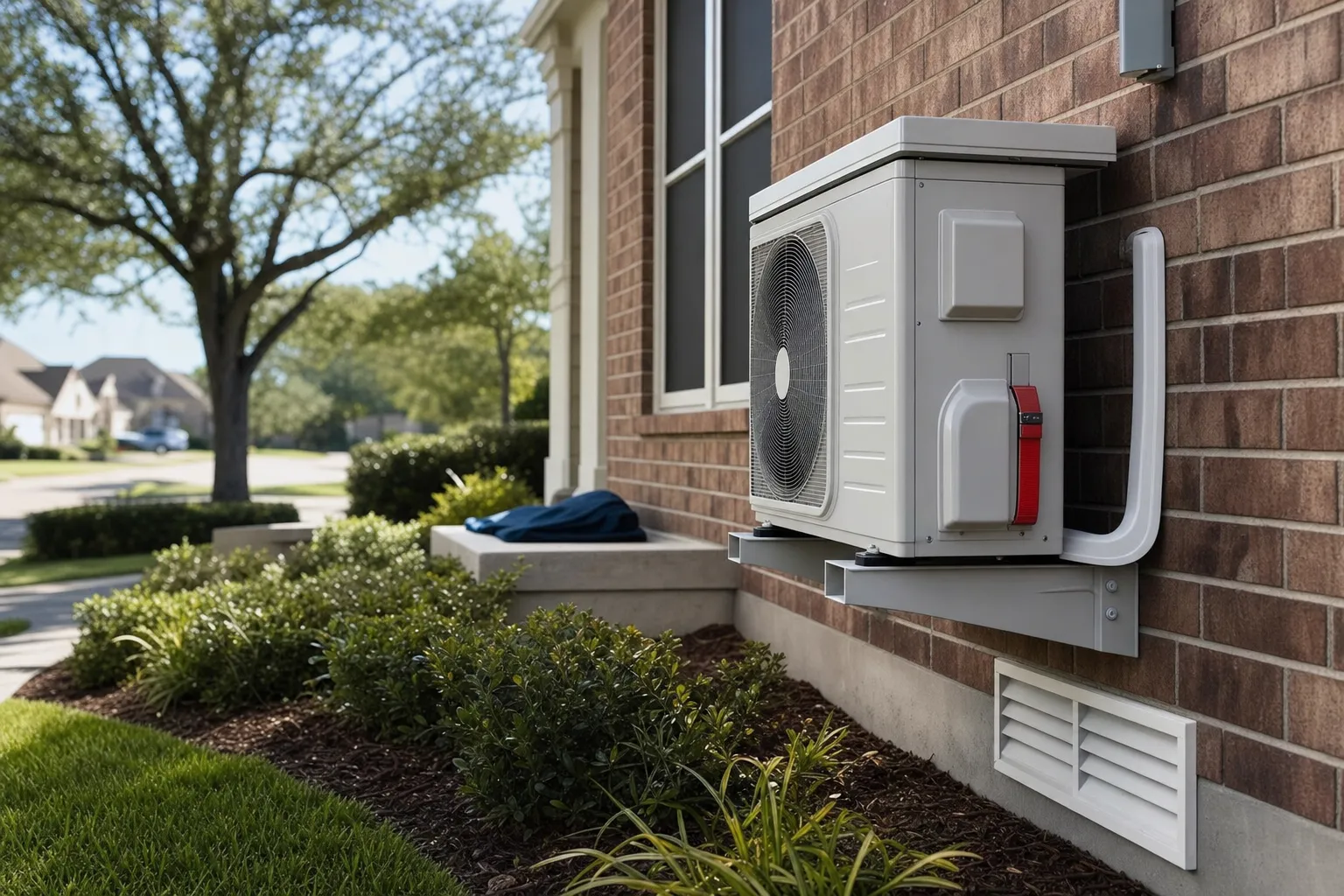
If a heating or cooling system fails so the home loses heat or cooling, or if you notice smoke, strong burning or gas smells, that is an emergency HVAC problem. We diagnose hazards first, then make safe repairs to restore operation while protecting indoor air quality and electrical safety.
What counts as an emergency HVAC problem
Emergency problems are situations where delay increases risk to health, safety, property or building operation. In Houston, those situations often matter more during extreme summer heat or cold snaps.
- Complete loss of cooling in very hot weather or loss of heat during cold weather
- Smoke, burning odors or visible flames coming from a furnace, air handler or outdoor unit
- Persistent hissing or puddles near the outdoor unit, which can indicate a refrigerant or condensate leak
- Repeated circuit breaker trips when the HVAC system runs, or visible electrical arcing
- Large water leaks from the indoor unit, ceiling stains from condensate overflow, or flooded drain pans
- Strange, severe noises such as loud grinding or banging at startup
How we diagnose emergency HVAC problems
When we respond to an emergency call we follow a safety first workflow that limits further damage and identifies the immediate cause. We do not expect you to perform repairs.
- Safety assessment. We check for electrical hazards, active leaking and obvious fire risks before doing anything else.
- System status check. We confirm the thermostat settings, breaker and disconnects so we know whether the system is receiving power and calls for cooling or heat.
- Visual inspection. We inspect the outdoor condenser, indoor air handler and visible ductwork for signs of damage, corrosion, oil or refrigerant residue.
- Operational testing. We run the system under controlled conditions to observe noises, pressures and airflow characteristics.
- Targeted measurement. When needed we check electrical components, refrigerant pressures and condensate flow while following manufacturer guidance.
- Action plan. We recommend the safest next step, whether that is an on the spot repair to restore safe operation, a temporary isolation to prevent further damage, or a replacement evaluation.
Common emergency HVAC problems in Houston and likely causes
Houston homes face specific stresses from high summer humidity and year round subtropical conditions. These conditions can accelerate some failure modes.
Air conditioner not running at all
Often caused by failed capacitors, contactors, or compressor electrical faults. Corrosion on outdoor unit wiring from coastal humidity can cause electrical failures.
Outdoor unit running but no cool air inside
Common causes include refrigerant leaks, a blocked coil from poor airflow, or a failing compressor. Low refrigerant and restricted airflow both reduce cooling capacity and can lead to compressor damage if not addressed.
Frozen evaporator coil or iced indoor coil
Restricted airflow from clogged filters, closed vents or failing blowers can let the coil ice up, then create water and performance problems when it melts.
Water pooling or overflow from the indoor unit
Condensate drain clogs or cracked pans can lead to water damage inside ceilings and walls. Standing water near electrical components is a safety risk that needs professional handling.
Burning smells or smoke
Electrical failures, failing motors or overheated components can produce burning odors. Any smoke should be treated as an emergency and inspected by a professional immediately.
Immediate actions homeowners should take
Do these basic, safe steps while waiting for a qualified technician. Do not open or disassemble equipment or attempt electrical repairs.
- Turn off the HVAC system at the thermostat to stop operation and limit further damage.
- If you see water pooling, switch off the HVAC breaker at the main panel to reduce electrical risk, if you are comfortable doing so safely.
- If you smell gas or detect a strong chemical odor, evacuate the building and follow local emergency guidance.
- Document what happened, including the time, thermostat settings and visible symptoms, so the technician can diagnose faster.
- Clear access to the indoor and outdoor equipment, and secure pets so the technician can work safely.
Watch out: Never attempt to open the sealed refrigerant circuit or service electrical components yourself. Handling refrigerant and line voltage requires licensed technicians and special equipment.
Why professional HVAC repair matters
Emergency HVAC repairs can involve high voltage, pressurized refrigerant and gas fired equipment. As a licensed HVAC contractor we follow manufacturer documentation and safety standards when repairing or replacing components. That protects system warranties, maintains safe operation and helps prevent repeat failures.
Cool Care Heating and Air Conditioning is licensed and insured, and we work on both residential and commercial systems across Houston and nearby communities. We use diagnostic methods aligned with manufacturer guidance so repairs address root causes rather than symptoms.
Pros
- Faster, safer diagnosis
- Correct parts and procedures, preserving warranties
- Reduced risk of electrical or refrigerant hazards
Cons
- Emergency service may require after hours scheduling
- Older systems may need replacement rather than repair
What to expect during an emergency repair visit
We aim for a rapid, transparent approach. Typical visit elements include a safety check, temporary measures if needed, a written explanation of findings and repair options, and completion of repairs when parts and conditions allow.
When a repair requires parts that are not on the truck we will explain temporary measures to keep the building safe until full repair or replacement can be scheduled.
Preventive measures that reduce emergency risk
Regular maintenance reduces the chance of emergency failures by catching wear and stress before they become sudden breakdowns. In Houston we recommend seasonal tune ups before heavy cooling season and before colder months for heating systems.
Maintenance checklist
- Replace air filters on a scheduled basis to prevent airflow restrictions
- Seasonal tune up to test electrical components, refrigerant charge and condensate drainage
- Inspect and clean outdoor condensers to prevent debris and corrosion
- Schedule duct inspections if airflow is inconsistent between rooms
For more detail on routine care, see our HVAC Maintenance page and our Preventive Maintenance Checklist topic.
Pro tip: Keep a photo of your indoor and outdoor unit data plates. Make and model information shortens diagnosis time and helps technicians match correct replacement parts.
How repairs differ from replacements during emergencies
In an emergency we weigh three factors when deciding to repair or replace: the safety of the existing equipment, the remaining useful life, and the cost and availability of parts. A short term repair can restore safe operation, while replacement may be recommended if the system is near the end of expected life or if repairs would be unreliable.
See our guidance on repair versus replace and HVAC replacement cost for context when an emergency reveals deeper system issues.
What to have ready for the technician
Before we arrive
- System make and model if available, or recent photos of the outdoor and indoor units
- Notes on when the issue started, and any noises, smells or visible leaks
- Access to the mechanical closet or outdoor unit, and cleared pathways
- Any warranty or service history documents you have
Frequently asked questions
How quickly can an HVAC contractor respond to an emergency in Houston?
Response time depends on technician availability and the severity of the problem. We prioritize hazards that affect safety, such as electrical smoke or active leaks. For non life threatening loss of cooling or heat we dispatch based on technician schedules and parts availability.
Is it safe to run the system if it is making a loud grinding noise?
No. Loud grinding usually indicates internal mechanical failure such as a failing motor or bearing. Continuing to run the system risks further damage and potential safety issues. Turn the system off at the thermostat and leave the breaker on for the technician to test unless you see obvious electrical risk.
Can a clogged condensate drain cause a ceiling leak?
Yes. A blocked condensate drain or cracked pan can cause overflow inside the air handler and lead to ceiling stains or water damage. This is a common cause of emergency water problems when the system cycles frequently in Houston humidity.
Do emergency repairs affect equipment warranties?
Following manufacturer documentation for repairs and using authorized parts helps preserve warranties. Emergency repairs done by a licensed HVAC contractor are generally preferable to amateur fixes that could void warranties or cause improper installations.
What qualifications should I look for in an HVAC contractor handling emergencies?
Look for licensed and insured technicians, documented experience with your system type, and familiarity with local codes. As an HVAC contractor working across Houston, we follow manufacturer guidance and safety standards for emergency work.
Are refrigerant leaks dangerous?
Refrigerant itself is not usually toxic at household leak levels, but leaks reduce cooling and can damage compressors. Some refrigerants are heavier than air and can displace oxygen in confined spaces, so any significant indoor leak should be handled by a licensed technician with proper recovery equipment.
How can maintenance reduce emergency calls?
Regular maintenance catches worn capacitors, failing motors and restricted airflow before they become sudden breakdowns. Seasonal tune ups also verify condensate drainage and refrigerant charge, which are common sources of emergency problems in Houston.
Key takeaway
Emergency HVAC problems require a safety first response, prompt professional diagnosis and repairs that follow manufacturer guidance. Regular maintenance reduces the chance of sudden failures, and a licensed and insured HVAC contractor provides the training and tools needed to restore safe, reliable operation.
Find more information and reviews
Check our Google Business Profile to read customer reviews and get directions. For more on related topics visit our Emergency HVAC Problems topic, learn about our HVAC Repair service, or read about our service area in Houston.