
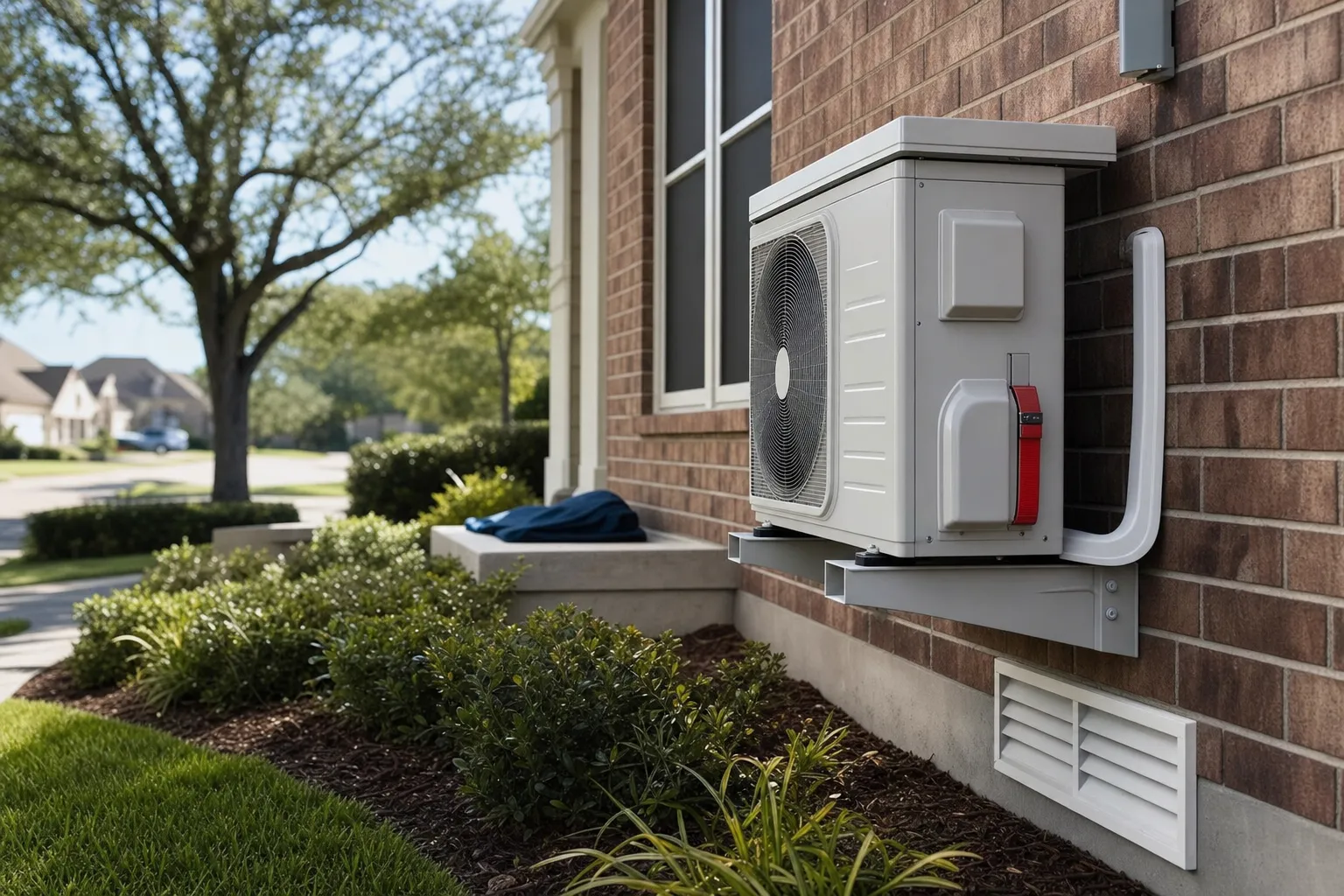
Short answer: get a clear list of symptoms, a safe, accessible work area around indoor and outdoor equipment, and basic information about your system so technicians can diagnose and fix the problem faster. We explain exactly what to do before a visit, what to expect during diagnosis, and how to choose the right outcome for your home in Houston.
What does "prepare for HVAC repair" mean
Preparing for HVAC repair means making it easy and safe for a trained technician to access your equipment and to understand how the system is behaving. That includes gathering system information, clearing the workspace around the outdoor condenser and indoor air handler, noting symptoms and timing, and having answers to a few standard questions about your home and usage.
Why preparation matters in Houston
Houston summers place heavy demand on air conditioning. A quick, informed diagnosis shortens repair time, reduces the chance of repeat visits, and lowers indoor discomfort during peak heat. For landlords, property managers and small business owners in Houston neighborhoods from Montrose to Katy, preparation helps limit tenant complaints and business disruptions.
Skilled technicians still do the work. Our goal is to make that work faster and more accurate by having the right information and access from the start.
Key concepts to understand before a repair
- Symptoms versus causes. A noisy compressor, weak airflow or warm rooms are symptoms. Diagnosis identifies the underlying cause.
- System type. Central air, heat pump, gas furnace or ductless system require different parts and procedures.
- Accessibility. Clear access to the outdoor unit, air handler and thermostat speeds work and keeps the job safe.
- Service history. Recent maintenance, past repairs and age of the equipment affect repair options.
- Safety first. Electrical shutoff and clear space around equipment reduce hazards for everyone on site.
What we need from you before we arrive
Quick prep checklist
- Note the symptoms, when they started and any patterns, for example evenings only or after heavy rain.
- Locate the model and serial number on the outdoor unit or air handler, if you can do so safely without moving equipment.
- Clear at least three feet of space around the outdoor condenser and the indoor air handler or furnace.
- Make a clear path from entry to the equipment and remove pets from the work area.
- Have the thermostat settings available, and note whether the unit cycles on and off or runs continuously.
- If you have recent invoices or maintenance records, have them available for the technician to review.
How we diagnose the problem
We follow a structured process that focuses on safe, logical testing. You do not need to perform repairs yourself.
- Interview and symptom review. We ask about recent performance, noises and any error codes shown on the thermostat.
- Visual inspection. We check for obvious issues such as blocked condensate drains, disconnected vents, burned wiring or restricted airflow.
- Operational checks. We measure pressures, temperatures and electrical loads with diagnostic tools to pinpoint the fault.
- Report and options. We explain findings, discuss repair choices, and outline benefits or tradeoffs for each option.
Pro tip: If the system shows an error code on a smart thermostat or the system controller, take a quick photo before the visit. That saves time during diagnosis.
What to expect during a repair visit
Typical on site times vary with the scope of work. A diagnostic visit often takes one to two hours. Simple repairs such as replacing a capacitor, contactor or a fan motor may be completed the same day if parts are available. More complex work, like compressor replacement or major refrigerant repairs, can take longer and require an equipment order.
Watch out: Avoid attempting electrical resets or component swaps yourself. Resetting breakers or toggling power can hide intermittent problems and creates safety risks. Let trained technicians handle live electrical work.
Indicators that affect the repair decision
| Repair now | Delay repair |
|---|---|
| System shows clear failure such as stopped compressor, refrigerant leak or electrical fault, indoor comfort compromised, risk of further damage. | Minor intermittent noise, reduced efficiency but system still cools, repair can be scheduled during cooler part of day if not risking further damage. |
| Component cost is low relative to remaining equipment life, repair restores reliable operation and energy performance. | Equipment is near end of expected life and repair cost approaches replacement value, consider future replacement planning. |
Information we will ask for
- Approximate age of the system and any replacement parts previously installed.
- Last time the system had preventive service. If you perform seasonal maintenance, tell us what was done.
- Occupancy patterns, such as long absences or high daytime use from remote work.
- Any recent renovations that affected ductwork or insulation.
How to make the visit go faster
Two things speed any repair job. One is clear access and an uncluttered work area. The other is good information: system model numbers, recent service notes and a concise description of symptoms. For property managers and landlords, having centralized maintenance records helps us complete work in a single visit.
We can review your preventive maintenance needs as part of the visit. For more on seasonal upkeep, see our preventive maintenance checklist.
Related reading on our site: Signs Your AC Needs Repair, and our service page for HVAC Repair. To learn about routine care that reduces repair frequency, see HVAC Maintenance.
Related services that may come up
Repairs can identify additional needs. We commonly coordinate these services depending on findings:
- Indoor air quality assessment and filter upgrades through our Indoor Air Quality service.
- Duct inspection and balancing when airflow is uneven, via our Air Duct Services.
- Ductless system troubleshooting for mini split installations and repairs under Ductless Systems.
Related locations and local considerations
Houston climate puts stress on cooling systems year round. Coastal humidity increases condensate volume and can hide refrigerant leaks. If you manage properties across multiple Houston neighborhoods, expect differences in system age and ductwork layouts. We serve homes and businesses across Houston from the Heights to the Energy Corridor. For location details see our main Houston page.
For more about our service area see our Houston location page at the top of our site: Cool Care Heating and Air Conditioning in Houston.
Helpful external resources
When we discuss labor trends and safety standards we rely on industry and government guidance. Helpful references include the Bureau of Labor Statistics occupational profile for HVAC mechanics and installers, which explains common requirements for training and safety, and the U.S. Department of Energy guidance on home heating and cooling efficiency that explains how maintenance affects energy use. The Air Conditioning Contractors of America publishes installation and service standards used across the trade.
Common questions from Houston customers
We answer the questions we hear most often, plus what to expect at the end of a repair visit.
How long will the repair take
Most diagnostics take one to two hours. Simple part replacements can often be completed the same day if the part is on the truck. If the repair requires ordering parts or major components, you should expect a follow up visit.
Will the technician need to enter my attic or crawlspace
Sometimes. Attic or crawlspace access is required when the air handler, ductwork or gas furnace components are located there. We do not perform ductwork demolition during a diagnosis. If access is tight, please point out any obstacles or pets before the visit.
What if the repair shows the system should be replaced
We will explain the repair cost compared to replacement considerations, including age, efficiency and expected remaining life. For an in depth discussion of repair versus replace options see our related topic page on Repair Versus Replace.
Key takeaway
Preparing for HVAC repair in Houston means documenting symptoms, clearing access to equipment, and sharing system details so we can diagnose quickly and work safely. Good preparation reduces downtime and helps you decide whether repair or replacement is the right choice for your property.
Frequently asked questions
What should I tell the technician about my system
Tell us the system type, approximate age, recent maintenance history, exact symptoms and when they occur. A photo of the outdoor unit nameplate with model and serial number is very helpful and safe to take from a distance.
Do I need to be home for the repair
Yes, for residential service someone over 18 should be at the property to grant access and answer questions. For rental properties, property managers or authorized representatives may meet the technician on site.
Can I keep the system running until the technician arrives
If the system is making strange noises, emitting odors, or tripping breakers, turn it off at the thermostat and at the electrical disconnect for safety. If it is simply less efficient, running it until the scheduled visit is usually fine, but note the behavior so we can observe it during diagnosis.
Where to go next
Read related guidance on signs your air conditioner needs repair and our maintenance topics to reduce future repairs. For details about the services we offer and the areas we serve, see our HVAC Repair and Houston location pages. You can also check our Google Business Profile for reviews and directions.