
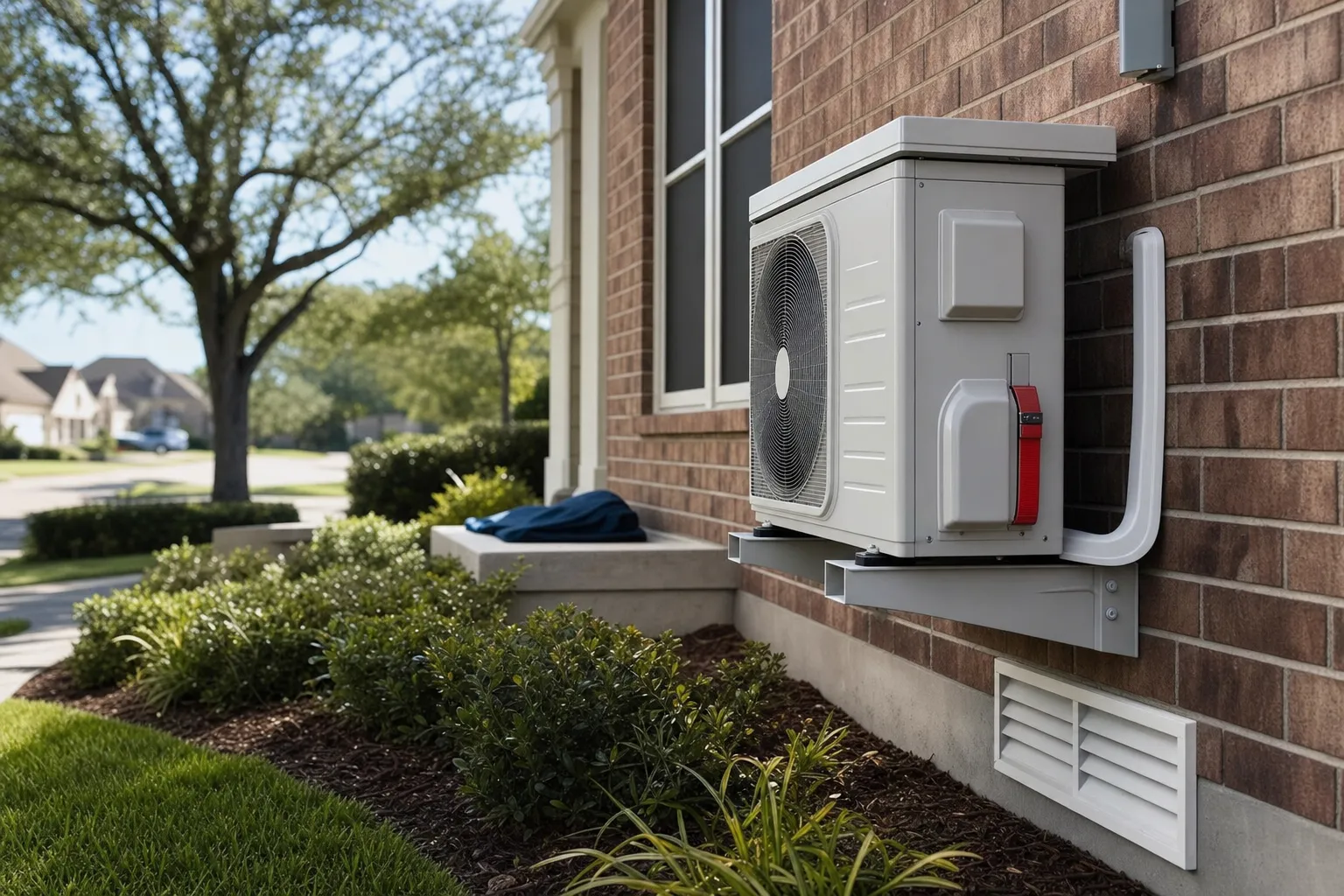
Short answer: UV air purifiers can reduce microbial growth on coils and in ducts and help indoor air quality, but they are an add on to, not a replacement for, proper HVAC repair. At Cool Care Heating and Air Conditioning we install and service in duct UV systems as part of a complete indoor air quality approach for Houston homes and businesses.
What are UV air purifiers and how they work with HVAC systems
UV air purifiers use ultraviolet C light to inactivate bacteria, mold spores and some viruses on surfaces or in moving air. There are two common configurations we encounter in Houston buildings: UV lamps mounted near the evaporator coil inside the air handler to protect the coil and drain pan, and UV lamps mounted in the supply or return duct to treat air as it passes through the system.
UV lamps do not filter particles the way a MERV or HEPA filter does. Instead, they reduce biological growth on surfaces and in the airstream, which can lower allergen sources, reduce odors from microbial activity and help coils stay cleaner between maintenance visits.
Why UV air purifiers matter in Houston
Houston has warm, humid weather that encourages mold and bacterial growth inside HVAC equipment. That growth can clog coils and drain pans, reduce heat transfer, and cause musty smells. When we combine UV germicidal lights with regular repairs and maintenance, the system runs more efficiently and stays cleaner longer.
UV note: UV lamps reduce biological growth, not dust. A properly sized filter is still needed to capture particles and protect equipment and occupants.
Key concepts to understand
- Germicidal versus particle control. UV tackles microbes. Filters capture particles. Both are complementary.
- Placement matters. Lamps near the evaporator coil reduce coil fouling. In duct lamps treat the airstream.
- Sizing and airflow. Lamp intensity and exposure time matter. High airflow reduces exposure time, which affects effectiveness.
- Maintenance schedule. UV lamps lose output with time and need scheduled replacement and cleaning.
- Safety and shielding. UV light can damage skin and eyes, so lamps must be enclosed and wired per code.
How UV affects HVAC repair and system performance
When we diagnose HVAC problems, we look for causes such as dirty coils, clogged drain pans and restricted airflow. UV lamps help by slowing biological buildup on those components. That means less frequent coil cleaning and fewer odor complaints, but it does not remove mechanical faults such as refrigerant leaks, failed compressors or electrical issues. UV is an enhancement, not a repair substitute.
Examples of how UV fits into our work:
- After repairing a leaking drain pan, we may recommend a UV lamp at the coil to reduce future mold growth.
- When a system shows reduced capacity from a fouled coil, cleaning plus a UV installation can extend the interval between cleanings.
- On heat pump or ductless systems, UV is sometimes added to improve indoor air quality without changing the equipment architecture.
Comparison: in duct UV versus coil mounted UV
| Feature | Coil mounted UV | In duct UV |
|---|---|---|
| Primary purpose | Keep evaporator coil and drain pan cleaner | Treat air passing through the duct run |
| Effect on odors | Reduces musty odors from coil | Helps reduce airborne microbial odors |
| Installation location | Inside air handler or near coil access | In large duct runs or supply plenums |
Installation and repair considerations we follow
We install and service UV systems according to local code and manufacturer instructions. Our approach covers three areas:
- Assessment. We inspect the coil, drain pan, filter location and duct layout to pick the right lamp type and placement.
- Integration. We ensure the UV unit is mounted securely, wired safely and does not interfere with access for future repairs.
- Verification. After installation we test airflow, check for any electrical impacts and confirm the lamp is positioned to cover the target surface or airstream.
Pro tip: If your system has access issues or an irregular duct layout, a field inspection is the only way to confirm whether coil mounted or in duct UV is the better choice.
Maintenance checklist for UV air purifiers
Routine checks we recommend
- Inspect lamp and ballast annually for output and corrosion.
- Replace lamps on the manufacturer recommended schedule, typically every 9 to 12 months for many units.
- Clean lamp sleeves or quartz sleeves during maintenance visits to preserve output.
- Keep filters current so dust does not coat the lamp and reduce effectiveness.
- Document lamp hours as part of the system service record.
How UV works with filters, ventilation and other IAQ options
UV should be part of a layered approach to indoor air quality that includes particle filtration, ventilation and humidity control. For particle control, consider filter options discussed in our guide on air filter selection, which explains how filter efficiency and pressure drop interact with HVAC performance Air filter selection. For system repairs, our HVAC repair page explains the mechanical fixes that keep UV and filters effective over the long term HVAC Repair. For a broader indoor air quality evaluation we include UV options on our indoor air quality service page Indoor Air Quality.
Common questions and misconceptions
- Does UV remove dust and pollen? No. UV inactivates biological material. Filters remove dust and pollen.
- Will UV stop all pathogens? UV reduces many microbes but effectiveness depends on exposure time and intensity. It is not a standalone infection control measure.
- Is UV safe? Properly installed UV systems are enclosed and safe. Lamps should never be exposed where people or pets might receive direct light.
- Can UV improve energy efficiency? Indirectly. Cleaner coils transfer heat more efficiently, which can reduce runtime and energy use after repairs and routine maintenance.
Related services and what each delivers
We pair UV installations with services that maintain overall performance and comfort:
- HVAC repair to fix leaks, compressors, fans and controls so the system can operate correctly.
- HVAC maintenance for seasonal tune ups and coil cleaning to keep equipment reliable.
- Air duct services to ensure ducts are unobstructed and leakage is minimized.
Learn more about our service area and the neighborhoods we serve across Houston on our locations page service areas and locations in Houston.
Helpful resources and standards we follow
When we specify or recommend equipment we follow guidance from industry organizations and public resources. Useful references include the American Society of Heating, Refrigeration and Air Conditioning Engineers, commonly known as ASHRAE, for ventilation guidance and UV recommendations, and the Environmental Protection Agency for indoor air quality principles. For local rules and contractor licensing in Texas, we review the state guidance that applies to electrical and mechanical work.
Related locations and situations where UV is often used
UV installations are common in Houston residences with persistent mold odors, in multifamily properties where drain pans are hard to access, and in commercial buildings that need extra microbial control in high humidity areas. We tailor our recommendations to the building type, system capacity and tenant needs.
Common questions
Frequently asked questions
Will a UV air purifier stop my HVAC smells?
UV can reduce musty smells that come from microbial growth on coils and in drain pans. Odors caused by other sources, such as chemicals or accumulated dust, will not be solved by UV alone.
How long do UV lamps last and how often do they need replacement?
Lamp life varies by product, but many UV lamps lose effective output after 9 to 12 months. Ballasts and sleeves also need periodic inspection. We log lamp hours as part of maintenance so replacement happens before loss of effectiveness.
Can I install a UV light myself?
We advise a professional installation. UV must be mounted, shielded and wired correctly to be safe and effective, and placement depends on the HVAC layout. A professional inspection also identifies if repairs are needed before adding UV.
Do UV systems affect my HVAC warranty or equipment?
Properly installed UV systems from reputable manufacturers usually do not void equipment warranties, but you should follow the equipment manufacturer guidance and have installations performed to code. We document installations to support warranty needs.
Key takeaway
UV air purifiers are a useful component of an indoor air quality plan in Houston, especially for reducing microbial growth on coils and in drain pans. They work best when combined with proper HVAC repair, correct filtration and routine maintenance. We evaluate system layout, airflow and service history before recommending UV so it improves performance without masking mechanical problems.
Learn more and check local service details
Read our related guidance on air filter selection and how filtration and ventilation work together, or review our HVAC repair services for the mechanical work that keeps UV and filters effective.
Air filter selection HVAC Repair services Service areas and locations in Houston