
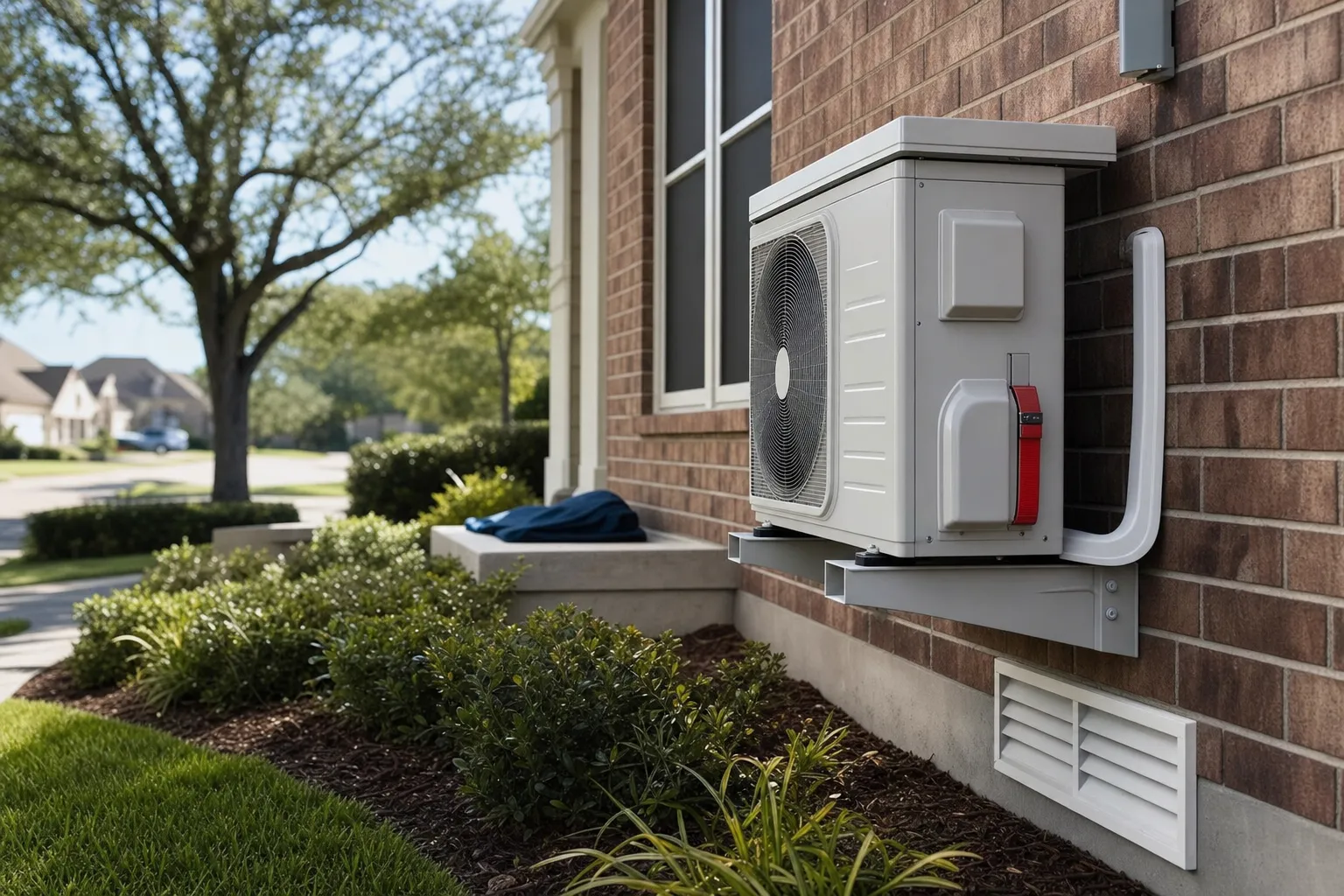
If your HVAC system is failing, we recommend repair when the problem is an isolated component, the system is still in its expected life span and repairing it will restore reliable, efficient operation. We recommend replacement when the system is older, has recurring failures, uses outdated efficiency levels or when repair costs approach the value of a new system.
How we approach the repair versus replace decision
At Cool Care Heating and Air Conditioning, our first goal is to keep you comfortable while managing long term cost and reliability. When a customer in Houston calls with a cooling or heating problem we follow a consistent evaluation that balances immediate needs, remaining useful life, energy use and future risk.
What we check on arrival
- System age and model information from the equipment nameplate.
- Operating history, including recent repairs and patterns of failure.
- Diagnostic readings: refrigerant charge, compressor function, motor current and control responses.
- Indoor comfort issues such as uneven temperatures, airflow problems or poor humidity control.
- Indoor air quality clues like excessive dust, odors or filter loading.
Decision factors we weigh
We combine the facts from inspection with customer priorities. Key factors are the cost of the repair versus replacement, the system expected remaining life, energy efficiency differences, impact on comfort and the likelihood of another failure.
When repair is the right choice
Repair makes sense when the fault is limited in scope and repair returns the system to dependable operation. Typical situations we repair for Houston customers include a failed capacitor, a leaking coil that is accessible, a blown motor or a control board issue when the system is otherwise sound.
We prefer repair when all of these are true:
- The system is under 10 years old, or the make and model has a longer known useful life.
- Previous maintenance history is good, with routine tune ups and filter changes.
- Repair cost is modest compared with the price of a replacement system.
- Efficiency losses are small so ongoing operating costs remain reasonable.
Repair also fits when you plan to sell the property soon and a temporary, reliable fix preserves comfort without committing to a large capital expense.
When replacement is usually better
We recommend replacement when continuing to repair leaves you with unreliable performance, higher operating costs or ongoing comfort problems. In Houston, common replacement scenarios include frequent compressor failures, repeated refrigerant leaks, rusted coils and failing motors on older systems.
- Age is a major factor. Many central air systems show rising failure rates after 10 to 15 years.
- If the condenser, compressor and evaporator coil have all seen separate failures, replacement is often the most economical long term option.
- When the system uses old refrigerants or very low efficiency ratings, a new installation can cut cooling costs and improve humidity control.
- Severe ductwork problems that would require extensive repair sometimes make a high efficiency replacement the better overall solution.
Replacing older equipment often reduces utility spending and improves indoor comfort, especially during Houston summers when cooling load is high.
How we present the numbers
We give customers a side by side view of options, not a single recommendation. For each repair or replacement option we explain:
- Estimated cost of repair and the expected effect on system life and reliability.
- Projected operating cost changes, including how much a newer, more efficient system might save in monthly energy use.
- Warranty differences between repairing a component and installing new equipment.
- How long we expect the repaired system to last before another major expense is likely.
That information helps you compare short term outlay against long term running costs and risks.
Common signs that point toward replacement
These are practical, observable signals we use on service calls in Houston and nearby communities.
- Recurring breakdowns that require parts or labor more than once per year.
- Major component failure on an older system, such as a burned out compressor, bent evaporator coil or a cracked heat exchanger in a furnace.
- Poor comfort despite recent repairs, for example chronic hot spots or inability to control humidity.
- Energy bills that rise substantially even after routine maintenance.
- System makes unusual noises and the cost to correct mechanical wear is high relative to replacement.
How we evaluate system life and efficiency
System life depends on installation quality, maintenance history and environmental stress. In Houston, high cooling loads and humidity affect longevity. We inspect components, check refrigerant condition and measure performance to estimate remaining life.
Efficiency matters for operating cost
Modern air conditioners and heat pumps have higher seasonal energy performance ratios than older units. A more efficient system reduces monthly bills and often improves humidity control in Houston. When efficiency differences are large, replacement may pay back in lower utility bills over time.
Examples from real service calls
These short scenarios show how we apply the criteria above.
- Single component failure on a 6 year old system. A homeowner had a failed fan motor. The system had regular maintenance history. We recommended repair, replaced the motor and verified airflow and controls. The system ran reliably for several more years.
- Compressor failure on a 14 year old unit. A small business had a seized compressor and corroded coil. Repeated prior repairs meant ongoing risk. We recommended replacement with a higher efficiency unit to reduce downtime and energy use.
- Mixed duct issues and an aging condenser. An apartment building had leaks in the duct network and an older condenser. We recommended planning for replacement and phased duct repairs so tenants would see steady improvements in comfort during the transition.
Questions we ask customers
To recommend repair or replacement we ask about usage patterns, occupancy, budget priorities and plans for the property. Typical questions include:
- How long do you plan to keep the property?
- Have you had regular maintenance and tune ups?
- How important is monthly energy cost versus capital spending?
- Are there specific comfort problems such as uneven cooling or poor humidity control?
Pro tip: If you are undecided, schedule a diagnostic inspection. A clear report on remaining life, likely future repairs and energy performance makes the choice easier.
What good maintenance does for the decision
Regular preventive maintenance delays many replacement triggers. Routine tune ups, filter changes and duct checks preserve capacity and efficiency. For customers who keep up with maintenance, repairs are more likely to be cost effective than for neglected systems.
Maintenance checklist we recommend
- Biannual tune up and safety checks.
- Change filters regularly based on usage and filter type.
- Inspect condensate drains and outdoor coil condition annually.
- Check thermostat calibration and zoning controls yearly.
Watch out: Repeated temporary fixes on an older system often increase total cost and risk of emergency failures in peak season. When repairs are frequent, replacement is usually the more predictable choice.
How we handle replacement projects in Houston
When replacement is clearly the best option we walk customers through system selection, sizing and installation considerations. We evaluate load requirements, duct condition and placement to make sure the new system delivers the expected efficiency and comfort.
Because correct sizing, quality installation and proper duct configuration matter, we treat replacement as a coordinated project, not just equipment swap. We are licensed and insured and work with homeowners, landlords and commercial building owners across Houston and nearby communities.
Related pages to help you learn more
For more detail on the numbers and planning, see our topic page about Repair Versus Replace. If you want to read about system costs and comparisons, our HVAC Replacement Cost page walks through typical price factors. To learn about the services we use when repairs are the right choice, see our HVAC Repair page. You can also learn about our company in Houston on our main home page.
Key takeaway
Repair is appropriate for isolated faults on relatively young, well maintained systems. Replacement is often the better long term investment for older systems, repeated failures or large efficiency gaps. We base every recommendation on diagnostics, expected remaining life and your priorities for comfort and cost.
Frequently asked questions
How old is too old for an HVAC system?
There is no single cutoff, but many central air systems show increasing failures after 10 to 15 years. Age is only one factor. We combine age with maintenance history, component condition and performance to reach a recommendation.
Will a new high efficiency system lower my Houston electric bills?
Yes, newer systems are usually more efficient and can reduce cooling costs and improve humidity control. The exact savings depend on usage patterns, system size and duct condition, which we measure during inspection.
Can I repair an old system to extend its life?
Sometimes a targeted repair can add several reliable years to an older system, particularly if it has been well maintained. If repairs are frequent or costs are high relative to replacement, replacement is the wiser choice.
Do you inspect ductwork when deciding repair or replace?
Yes. Poor ductwork can cause comfort problems and waste energy. We inspect ducts and factor repairs or sealing into the overall recommendation so the chosen solution actually improves comfort and efficiency.
Learn more and check our local profile
Read Google reviews and get directions on Cool Care Heating and Air Conditioning’s Google Business Profile to see how we serve Houston homeowners and businesses. For more technical pages, explore our topics on HVAC replacement cost and repair versus replace, or read about our HVAC repair services and company information on the site.