
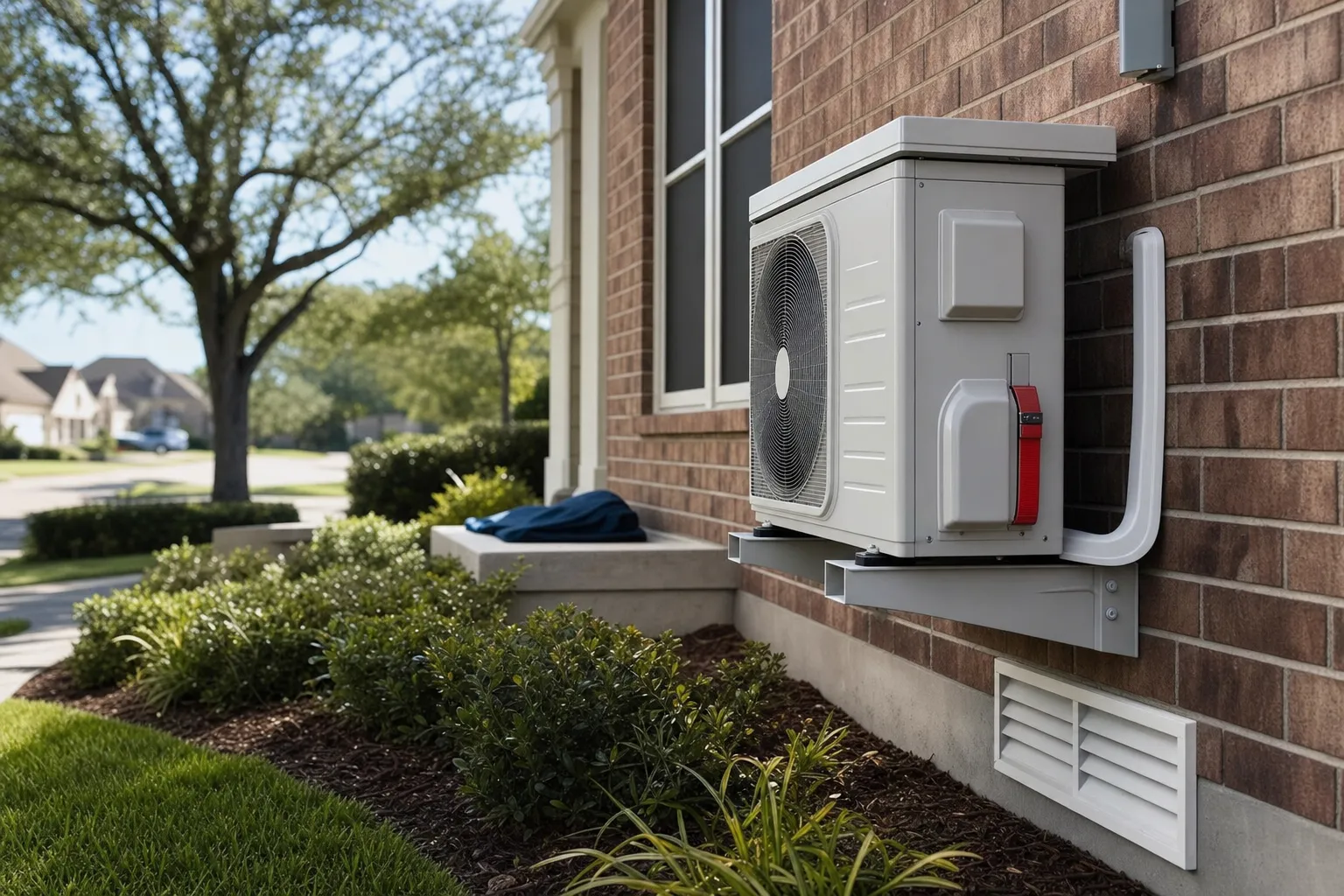
Choosing the right HVAC system determines comfort, energy costs, indoor air quality and how we install and maintain the equipment. In short, the system you choose changes the outcome for performance, lifetime cost and serviceability.
What choosing an HVAC system means
When we say choosing an HVAC system we mean selecting the combination of equipment and controls that will heat, cool and ventilate your specific building. That selection covers the heating and cooling technology, capacity or size, ductwork or ductless distribution, ventilation and any indoor air quality equipment.
Good choices match the equipment to the building envelope, the local climate and how you plan to use the space.
Why the choice matters in Houston
Houston has hot, humid summers and mild winters. That climate changes priorities compared with a colder region. Cooling capacity, dehumidification and airflow matter more here than a very high output furnace.
How we choose a system affects these outcomes in homes and businesses across Houston neighborhoods such as Montrose, River Oaks and Memorial.
- Comfort: Correct sizing and dehumidification keep indoor humidity and temperatures steady.
- Operating cost: Efficiency ratings, controls and proper installation drive long term energy use.
- Durability: Matching equipment to the property and maintaining it lengthens life and reduces repairs.
- Indoor air quality: The right distribution, filters and ventilation reduce allergens and pollutants.
Key concepts to understand
Capacity and sizing
Size is not how big the unit looks. Proper sizing is a calculation based on floor area, insulation, window orientation and occupancy. Oversized equipment cycles too frequently and does not dehumidify well.
Efficiency ratings
For cooling, Seasonal Energy Efficiency Ratio, known as SEER, measures efficiency. For heating, AFUE or fuel type defines performance. Higher ratings usually mean lower operating costs, but they also change upfront equipment choices.
System types
- Central split systems: Common for single family homes with ductwork, offering balanced cooling and heating where a furnace or heat pump provides heat.
- Heat pumps: Provide both cooling and heating and are efficient in Houston most of the year.
- Ductless mini split: Ideal for additions, homes without ducts or when zoning is needed.
- Packaged rooftop units: Often used on commercial buildings and multifamily properties.
Indoor air quality and ventilation
Filters, energy recovery ventilators and UV lights can improve indoor air. Proper airflow and duct cleanliness also matter for comfort and system performance.
How system choice changes the contractor s approach
The equipment you pick affects installation steps, permitting, timeline and what we check during maintenance.
- Sizing and load calculation: We perform a load calculation for every installation to set capacity and duct requirements.
- Ductwork work scope: Choosing central air usually requires duct inspection or modification. Ductless options reduce or eliminate ductwork changes.
- Controls and zoning: Systems with zoning need different thermostats and wiring than single zone systems.
- Permits and inspections: Different systems can trigger different permit requirements with the city of Houston.
Comparison of common system options
| System type | Cooling | Heating | Typical application | When to choose |
|---|---|---|---|---|
| Central split system | Good for whole house | Furnace or heat pump | Homes with existing ductwork | When balanced, whole house comfort is needed |
| Heat pump | Efficient cooling | Efficient heating for mild winter climates | Most Houston homes and businesses | When year round efficiency is a priority |
| Ductless mini split | High efficiency, zoned cooling | Variable, heat pumps provide heat | Additions, rooms without ducts, zoning | When you want room by room control or no ducts |
| Packaged rooftop unit | Commercial scale cooling | Commercial heating options | Commercial buildings, small offices | On commercial rooftops or when indoor space for equipment is limited |
Checklist we use to evaluate a property
Pre installation evaluation
- Complete load calculation and equipment sizing review
- Inspection of existing ductwork and registers
- Assessment of insulation, windows and shading
- Indoor air quality needs and ventilation strategy
- Electrical capacity and panel review
Trade offs and quality markers
No single system is right for every property. When we recommend equipment we explain the trade offs between upfront cost, efficiency, comfort and long term service needs.
Pros
- Right sized systems save energy and last longer
- Heat pumps reduce the need for separate heating equipment
- Ductless systems allow targeted comfort with minimal renovation
Cons
- High efficiency equipment can cost more initially
- Poorly designed ductwork harms performance
- Some options need more frequent filter changes or maintenance
Common questions customers ask
Will switching to a heat pump reduce my bills in Houston
Usually yes for cooling and for much of the year for heating, because heat pumps move heat rather than generate it. Savings depend on your current equipment, electricity rates and system efficiency.
Is a ductless mini split loud
Indoor units are typically quiet. Proper placement and low fan speeds keep sound levels comfortable for bedrooms and living rooms.
How long will a new system last
Equipment lifetime depends on maintenance, installation quality and operating conditions. We design installations to maximize service life and make maintenance straightforward.
Related services we provide
We handle the full lifecycle for HVAC systems in Houston, from selection through maintenance.
- HVAC contractor services for system design and installation
- HVAC maintenance to preserve efficiency and longevity
- Ductless systems for room level control and additions
- Indoor air quality assessments and upgrades
- Air duct services to improve airflow and efficiency
Pro tip: Ask for a load calculation and duct inspection. Those two items predict performance and reveal hidden costs before installation.
Related locations and projects
We work throughout Houston and nearby communities on residential and commercial projects. Use our locations page to see the neighborhoods we serve and to read local reviews and directions.
Helpful resources and further reading
For objective guidance on efficiency and sizing we recommend manufacturer documentation and government resources. The Department of Energy explains cooling and heating basics for homeowners. ENERGY STAR outlines how efficiency ratings affect operating cost. Texas A and M AgriLife Extension publishes practical advice on humidity and home comfort in Texas homes.
What to expect during installation and early service
We follow a consistent process to protect comfort and the property.
- Site assessment. We verify measurements, access and any ductwork needs.
- Load calculation and proposal. We present equipment options and explain trade offs.
- Permits and scheduling. We handle required permits and coordinate inspections.
- Installation day. We protect floors, confirm equipment placement and test operation before leaving.
- Post install checks. We verify airflow, thermostat operation and system charge or venting as applicable.
We are licensed and insured, and we document the work to make maintenance easier for owners and property managers.
Common objections and how we address them
Customers often worry about cost, disruption and whether a new system will really save money.
- Upfront cost vs operating cost: We show energy usage scenarios and how efficiency changes monthly bills.
- Installation disruption: We stage work to minimize noise and access issues for occupants and businesses.
- Right sizing concerns: We use accepted load calculation methods rather than rule of thumb sizing.
Frequently asked questions
How do we decide between a heat pump and a furnace in Houston
In Houston we usually recommend heat pumps because they provide efficient cooling and heating for most of the year. We evaluate your electric rates, existing ductwork and comfort needs before making a recommendation.
Can I keep my current ductwork when replacing the outdoor unit
Often you can, but we inspect ducts for leaks, insulation and airflow. Poor ducts can negate the benefits of a new high efficiency unit.
How important is SEER when choosing a new air conditioner
SEER affects long term operating cost. Higher SEER ratings reduce energy use during cooling season, but the right balance between upfront cost and payback varies by home or building.
Are ductless systems a good option for older Houston homes
Yes. Ductless mini splits work well for older homes without existing ducts, for additions, and where zoning is desired. They minimize renovation while providing efficient comfort.
What maintenance keeps a new system performing well
Routine filter changes, annual tune ups, duct checks and keeping outdoor units clear of debris are the most important tasks. We offer maintenance plans that document these items.
Do city permits affect the timeline
Yes. Permit and inspection timelines vary by project and jurisdiction. We handle permits as part of our standard installation process and explain expected timelines in our project plan.
Key takeaway
Choosing the right HVAC system is a decision that shapes comfort, energy use, indoor air quality and the contractor s installation approach. Consider climate, building characteristics and long term maintenance when you evaluate options.
Learn more and find local details
Read customer reviews, get directions and see our service area through our Google Business Profile. To explore specific topics and services on this site, start with the pages below.