
A maintenance review is an inspection and tune up that identifies worn parts, restores system efficiency and estimates how maintenance will reduce your operating costs. At Cool Care Heating and Air Conditioning we run performance tests, clean and adjust key components, and give a clear assessment of items that will affect energy use and reliability.
What a maintenance review tries to accomplish
We perform a maintenance review to do three things: keep the system running safely, reduce energy use where practical, and catch small problems before they become expensive failures. That translates into lower seasonal bills, fewer emergency repairs and longer equipment life, which is what we mean by maintenance cost savings.
During a review we consider the equipment type, system age, ductwork condition and the building use, whether that is a single family home, apartment building, retail space or small office in neighborhoods like The Heights or Montrose. Every review is tailored to the system we find on site.
Step by step, what we check
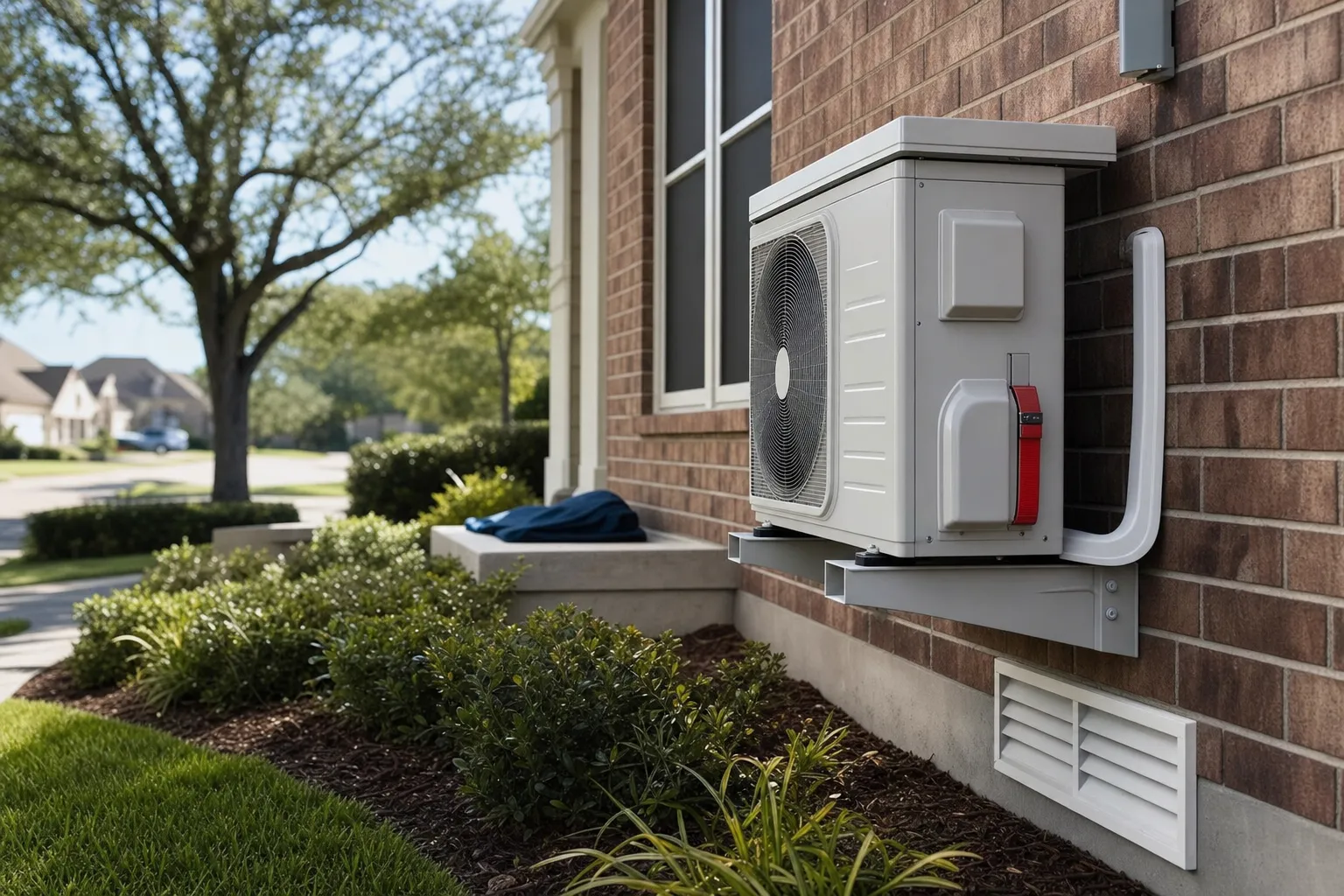
- Exterior and safety inspection. We inspect the outdoor condensing unit, line set routing, condensate drain and clearances. We look for signs of damage, nesting, loose panels and blocked airflow.
- Electrical and safety controls. We test breakers, fuses, contactors and safety switches. Loose electrical connections cause failures and inefficiency.
- Refrigerant and pressures. We check refrigerant charge and operating pressures to confirm the system cools within expected ranges. Low charge or incorrect pressures raise energy use and shorten compressor life.
- Airflow and filters. We measure static pressure, inspect filters and check return and supply vents for restriction. Poor airflow is a top cause of inefficient operation and uneven comfort.
- Coil cleaning and heat transfer. We inspect evaporator and condenser coils and clean as needed. Clean coils transfer heat better and cut run time.
- Combustion and venting, where applicable. For gas furnaces we check burners, heat exchanger condition and venting for safe operation.
- Thermostat and controls. We verify thermostat calibration, program settings and operation with any smart thermostat in place.
- System performance test. We record temperatures, run times and power draw to estimate seasonal efficiency and identify underperforming components.
- Report and recommendations. We document findings, note items that affect energy or reliability, and outline prioritized options for repair or further evaluation.
Common findings and what they mean for costs
Not every issue is urgent, but many common findings directly affect operating costs.
- Dirty air filters and restricted airflow, which increase run time and energy use.
- Low refrigerant, which causes longer cycles and higher electrical consumption.
- Clogged condensate drains or dirty coils that reduce heat transfer efficiency.
- Worn bearings, belts or motors that draw more power or fail unexpectedly.
- Improper thermostat settings or calibration that cause overcooling or excessive cycling.
When we identify these items we explain the likely cost impact, the tradeoffs between quick fixes and full repairs, and how each choice affects seasonal bills and long term maintenance cost savings.
How we estimate maintenance cost savings
Estimating savings is a mix of measurement and experience. We compare current run times, temperature splits and amperage to expected values for the equipment, then quantify reduced runtime and improved efficiency after corrective work.
For broader context we rely on industry guidance and labor data. The Air Conditioning Contractors of America publishes standards that help set inspection scope and procedures, and the U.S. Bureau of Labor Statistics provides data on technician availability and average wages that factor into maintenance economics. See the ACCA standards for inspection practices at acca.org standards and technician employment data at the U.S. Bureau of Labor Statistics page for heating and cooling mechanics and installers.
What good looks like in Houston homes and small businesses
In the Houston climate, good means a system that reaches set temperature without long run times, has steady airflow at vents, and shows normal pressure and temperature differentials on tests. For older systems a maintenance review will often recommend staged repairs or prioritization to balance immediate savings and future replacement decisions.
We also look at ductwork in attics or crawl spaces common in Houston construction. Leaky or undersized ducts can erase equipment efficiency. When ducts need service we explain how duct sealing or targeted repairs compare to replacement from a cost and comfort perspective. Learn more about ductwork and airflow on our air duct services page Air Duct Services.
How often you should schedule a review
Most residential systems benefit from a tune up once a year, with separate checks for cooling and heating seasons when applicable. High use systems, commercial equipment and properties with rental turnover may need more frequent attention. Regular preventive maintenance is the fastest route to reliable maintenance cost savings.
Pro tip: Scheduling the cooling system check before Houston s hottest months helps catch problems when you need cooling most, and lowers the chance of mid summer breakdowns.
What we do not do during a routine review
A maintenance review is not a full diagnostic teardown or a replacement. We identify issues and may perform minor repairs or adjustments, but invasive work like full compressor replacement, large duct rework or system replacement require a separate visit and estimate. For replacement planning and sizing details see our topics page on HVAC replacement cost HVAC Replacement Cost.
Watch out: If a technician suggests immediate major replacement without documenting measured performance problems, ask for the test numbers and a short explanation of why repair would not be sufficient.
How you can prepare before our visit
Homeowner checklist
- Clear access to indoor and outdoor units and the thermostat.
- Have any recurring symptoms ready to describe, like short cycling, weak airflow or unusual noises.
- Note recent service history and filter changes, if available.
Preparing saves time and lets us focus on testing and repairs that generate the biggest maintenance cost savings.
How we document findings and recommendations
After the review we provide a short report that lists measured values, observed problems and recommended next steps. The report highlights items that reduce energy use, increase comfort or pose safety concerns. We also separate immediate issues from lower priority items so you can choose what to address first.
As an HVAC contractor we follow industry inspection practices and record keeping so you have a clear baseline for future comparisons. If you want more background about how contractors structure maintenance, see our HVAC Contractor page HVAC Contractor.
When a review leads to repair or replacement
Not every review ends in replacement. Often a targeted repair, like fixing a refrigerant leak, replacing a failing motor or cleaning coils, restores normal efficiency at a fraction of replacement cost. We explain expected payback for larger items and whether staged repairs or an earlier replacement better align with your comfort and budget goals.
For a deeper look at the replace versus repair decision see our topic on repair versus replace Repair Versus Replace.
How maintenance affects indoor air quality and ductless systems
Proper maintenance also improves indoor air quality by ensuring filters are changed, coils are clean and condensate pans drain. We service ductless systems as well, checking indoor heads, line sets and drainage since these systems are common in Houston homes where zoning or retrofit solutions are needed. For details on ductless system care see our ductless systems page Ductless Systems.
Key takeaway
A maintenance review is a targeted inspection and tune up that improves reliability and reduces operating costs. Regular reviews, documented testing and prioritized repairs are the most effective path to long term maintenance cost savings for Houston homes and small businesses.
Frequently asked questions
How long does a typical maintenance review take?
Most residential cooling or heating reviews take 45 to 90 minutes, depending on system complexity and whether minor repairs are performed during the visit.
Will you perform repairs during the same visit?
We can perform small repairs and adjustments as part of the review when parts and time allow, but larger repairs or replacements are scheduled separately so we can prepare the right parts and documentation.
How much energy savings can I expect after a tune up?
Savings vary with system condition. A well executed inspection and corrective maintenance commonly reduces seasonal energy use by noticeable amounts when the system had airflow problems, low refrigerant or dirty coils. We document expected savings in our post review summary. For general guidance on maintenance cost savings, see our topic page Maintenance Cost Savings.
Do you service commercial and multi family properties in Houston?
Yes. We work with landlords, property managers and small commercial owners across Houston and nearby communities, adapting inspection scope for larger equipment and multiple zones.
Are you licensed and insured?
Cool Care Heating and Air Conditioning is an HVAC contractor that operates in Houston and surrounding areas, and our technicians are licensed and insured for the work they perform.
Learn more and read reviews
See our Google Business Profile to read customer reviews and get directions. To learn more about how regular maintenance reduces operating costs, read our Maintenance Cost Savings topic and explore our full list of services.