
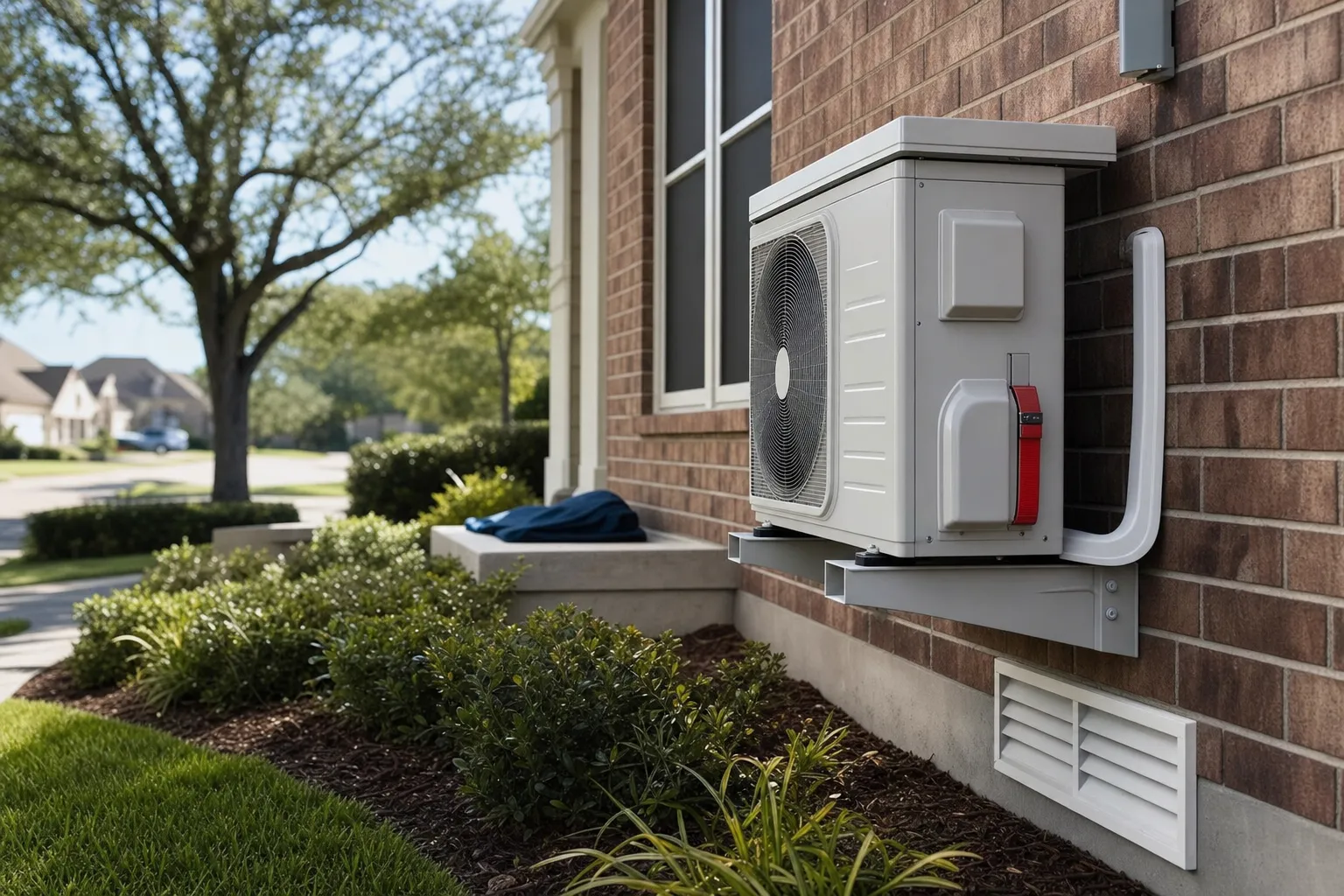
We recommend you gather system details, note symptoms and clear access before an HVAC contractor arrives so we can diagnose correctly and give an accurate replacement cost. Preparing this information shortens the visit, reduces unknowns that drive up estimates, and helps you compare system options fairly.
What to have ready before our visit
When we come to evaluate a system for repair or replacement, the more facts we have up front the more accurate and quicker our assessment will be. Bring or record the items below, and have them available to show or tell our technician.
- Equipment details. Model numbers and manufacture dates from the outdoor condensing unit and the furnace or air handler nameplate.
- Service history. Any receipts, previous repair notes, or the date of the last maintenance visit.
- Current problems and timing. Describe noises, loss of cooling or heat, uneven rooms, smells, water or frost on components, and when the issues started.
- Thermostat settings and behavior. Thermostat model, battery condition, and whether temperature control seems accurate.
- Access and site notes. Photos of the outdoor unit, attic access, basement or closet space, and duct runs help when access is tight.
- Recent energy bills. A copy of a recent electric bill helps us discuss operating costs and possible efficiency improvements.
Step by step: how we evaluate and estimate replacement cost
- Initial inspection. We inspect the outdoor unit, indoor equipment, ductwork condition, and airflow. That tells us whether repair or replacement is appropriate.
- Load calculation. We perform a room by room load calculation to size a new system properly. Correct sizing avoids short cycling and keeps operating costs reasonable.
- Assess ductwork. We check duct sealing, insulation, and layout. Poor ducts can increase the cost of replacement if repairs or redesign are needed for good performance.
- List required work. Our estimate separates equipment, labor, permitting, and any duct or electrical upgrades so you see what drives cost.
- Present options. We offer system and efficiency options and explain the tradeoffs between upfront cost and operating savings.
Watch out: Do not attempt refrigerant repairs, high voltage work, or structural modifications yourself. Those tasks require licensed technicians, building permits, and safety precautions. We are licensed and insured for HVAC work in Houston.
Key factors that influence HVAC replacement cost in Houston
Several site specific and equipment choices change the price. When we prepare an estimate we look at these variables and explain their impact.
- System type. Central split systems, packaged units, heat pumps and ductless mini split systems have different equipment and installation needs.
- Equipment efficiency. Higher efficiency equipment typically costs more up front but lowers operating costs. We discuss realistic payback for Houston summers.
- Correct sizing. A properly sized system based on a load calculation reduces long term costs and improves comfort.
- Ductwork condition. Leaks, undersized runs, or inaccessible ducts can add to labor and materials.
- Access and location. Difficult rooftop or tight closet installs increase labor time and may require special rigging.
- Electrical and refrigerant requirements. Older homes sometimes need service panel upgrades or new refrigerant conversions, which affect cost and schedule.
- Permits and inspections. Local permitting and code compliance are required for most replacements and are included in a full estimate.
Pro tip: Photos of the outdoor unit, the attic and the indoor equipment reduce surprises. Send photos when you schedule the visit so we can prepare the right tools and replacement options.
How to compare replacement estimates fairly
When you get multiple estimates, make sure you are comparing the same scope of work. A low bid can omit necessary repairs or use lower quality components. Use the checklist below to standardize comparisons.
Estimate comparison checklist
- Does the estimate include a load calculation for correct sizing?
- Are equipment models and efficiency ratings listed by brand and model number?
- Is ductwork evaluation and any recommended ductwork work included?
- Are labor, permits and disposal fees itemized separately?
- Is there a clear timeline for scheduling and completion?
What we include in a clear replacement estimate
We give written estimates that separate equipment, labor, permits and any recommended duct or electrical work. A transparent estimate helps you make an informed decision and avoid hidden costs.
- Scope summary. What equipment is being removed and what is being installed.
- Equipment details. Model, capacity and efficiency ratings for the proposed system.
- Site work. Any required modifications to ducts, gas, electrical or mounting that affect price.
- Warranty and maintenance notes. Manufacturer warranty basics and recommended maintenance to preserve performance.
- Timing and access requirements. Expected start to finish time and any homeowner preparations.
Questions to ask during the visit
We encourage you to ask these questions so you understand cost drivers and long term value.
- Why do you recommend this size and efficiency level for my home?
- What are the expected annual energy savings from the proposed equipment?
- How will you handle permitting and city inspections in Houston?
- What duct repairs or upgrades do you recommend and why?
- Are there local utility rebates or tax incentives we should pursue?
Key takeaway
Preparing model numbers, photos, recent bills and a clear list of problems helps us deliver a faster, more accurate replacement estimate. Knowing the common cost drivers, such as system type, ductwork and access, will help you compare proposals with confidence.
Frequently asked questions
How long does an on site estimate typically take?
An on site estimate usually takes 30 to 90 minutes, depending on equipment access and whether a load calculation and duct inspection are required. We try to be efficient while making sure nothing important is missed.
Will you need to be inside my home?
Yes, we need access to the indoor equipment, attic or duct closets to inspect the furnace or air handler and the ductwork. We can usually complete most of the walk through without moving personal belongings, but clearing the area helps the visit go faster.
Do permits affect the replacement cost?
Permits and required inspections are part of many replacement projects. Permit fees and inspection scheduling depend on the work and the local jurisdiction. We factor permitting into our written estimates.
Can I get accurate pricing without an in person visit?
We can give a rough ballpark over the phone, but an accurate replacement cost requires an on site inspection. Photos and system details reduce unknowns, but we still need to verify ductwork, access and other site conditions in person.
How do rebates and efficiency incentives change the effective cost?
Utility rebates, manufacturer promotions and local incentives can reduce net cost. Eligibility varies by equipment and program. We can point you to likely incentives and include them in the estimate discussion.
Should I repair or replace my system?
Repair versus replace depends on the age of the equipment, the nature of the failure, and efficiency goals. We evaluate the remaining useful life, typical repair costs, and expected efficiency to recommend the most cost effective option for your situation.
Next steps and where to learn more
Check our Google Business Profile to read customer reviews and get directions, and review our related pages to learn more about replacement cost and the services we offer.
HVAC replacement cost, HVAC contractor services, Cool Care Heating and Air Conditioning in Houston