
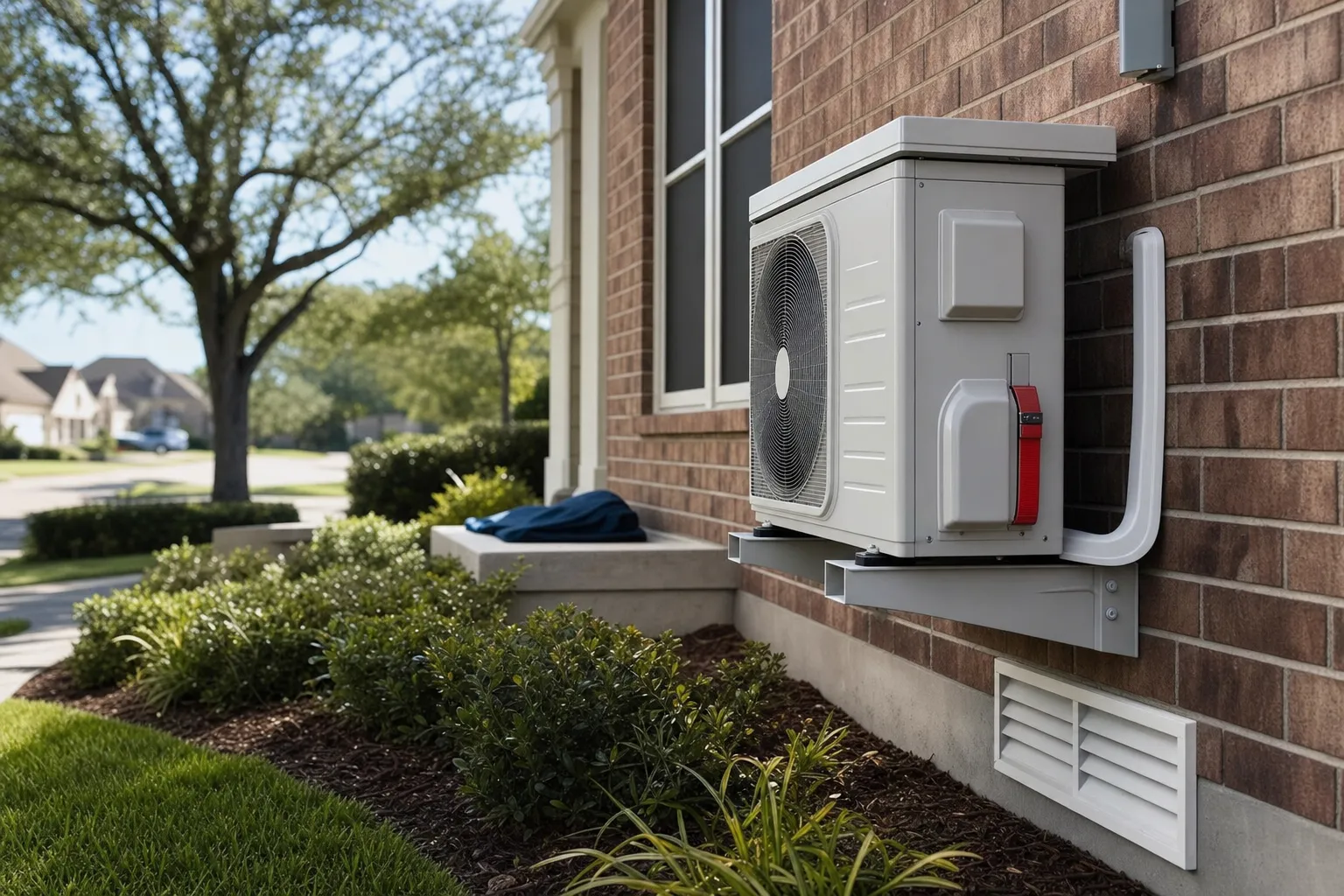
Replacing an HVAC system in Houston is not a single number. The total cost depends on the type of equipment, the capacity needed for your home or building, the efficiency rating you choose, any ductwork or electrical upgrades required, and site specific installation challenges. To get a reliable replacement cost you need an on site assessment that measures load, inspects ducts, and checks electrical and refrigerant requirements.
What HVAC replacement cost means
HVAC replacement cost is the complete price to remove an existing heating or cooling system and install a new one so the property is ready to use. It includes equipment, labor, basic materials, startup and testing, and any permits or inspections required by local authorities. For homes and businesses in Houston the same categories apply, but the balance between them changes with the building type and local climate demands.
When we talk about replacement cost we separate three buckets:
- Equipment and materials. The condenser, furnace or heat pump, indoor coil, thermostat and any ducting or controls.
- Installation labor and trades. Mounting, electrical hook up, refrigerant charging, controls programming and system startup.
- Site work and compliance. Duct repairs, electrical panel upgrades, permits, and any disposal or specialty handling for older refrigerants.
Why HVAC replacement cost matters in Houston
Houston has hot, humid summers and mild winters, so cooling capacity and dehumidification are major drivers of system selection. Energy use, comfort, and indoor air quality are tightly linked here. An undersized system will short cycle and fail to control humidity. An oversized system will cool quickly but leave the space clammy and drive higher energy bills.
We design replacements with the Houston climate in mind. That means sizing for summertime load, choosing equipment that performs well in high outdoor temperatures, and paying attention to ventilation and ductwork that control moisture and airflow in your specific neighborhood or building type.
Key concepts that affect replacement cost
What we check and why it matters
- System type and refrigerant. Central air, heat pump, or ductless systems use different components and may require different refrigerants. Older systems using R22 have extra handling requirements.
- Proper sizing. Capacity is measured in tons or BTU. We calculate load for the building rather than relying on rule of thumb. Correct sizing affects comfort and long term cost.
- Efficiency ratings. SEER and HSPF indicate how much energy the system uses. Higher efficiency equipment costs more up front but reduces operating expenses over time.
- Ductwork condition. Leaky or improperly sized ducts reduce system performance and can add to replacement scope.
- Electrical capacity and controls. New equipment sometimes needs a dedicated circuit, updated disconnects, or a newer thermostat to run advanced features.
- Installation complexity. Access, roof or attic work, and multi zone designs increase labor time and materials.
How we determine the right system for your property
We follow a practical, step based approach that balances comfort, reliability and lifetime cost.
- On site assessment. We measure the building, inspect ducts and wiring, and record the existing equipment details.
- Load calculation. We use industry standard methods to size the system for Houston conditions, taking into account insulation, windows, orientation and occupancy.
- Option selection. We outline appropriate system types and efficiency levels for the budget and goals you set.
- Scope definition. We list equipment, any necessary duct or electrical work, permit needs and a realistic timeline.
- Final review. Before ordering equipment we verify site access and any specialty constraints that could affect installation.
Pro tip: If your ducts are original or you have persistent hot or cold rooms, include a duct inspection in the replacement assessment. Fixing ducts while equipment is accessible is usually far less expensive than doing it later.
Common cost drivers to watch for
- System capacity and efficiency. Higher SEER ratings and two stage or variable speed compressors raise equipment cost but improve comfort and efficiency.
- Duct repairs or redesign. Adding or sealing ducts, installing zoning, or insulating ducts in unconditioned spaces adds material and labor.
- Electrical upgrades. Older properties may need an upgraded disconnect or additional circuit capacity to meet modern equipment requirements.
- Access and installation complexity. Rooftop installations, tight attic access or multi story runs increase crew time and safety precautions.
- Permits and inspections. City permits, condenser placement clearances and refrigerant handling regulations influence the schedule and cost.
- Indoor air quality add ons. Whole home filtration, UV lights, or ERV ventilation panels add to scope if you include them.
Comparing common replacement options
| System type | Best use in Houston | Typical trade offs |
|---|---|---|
| Central air with split system | Most single family homes with existing ductwork | Balanced cost and performance, requires good ducts for best results |
| Heat pump | Good for mild winters and efficient cooling and heating | Higher efficiency for similar footprint, may need different controls |
| Ductless mini split | Rooms without ducts, additions and targeted comfort | Lower disruption, possible higher per room cost and visible wall units |
| Packaged rooftop | Commercial buildings and some multi family units | Concentrates service on roof, can simplify indoor space but needs rooftop access |
Checklist before you schedule a replacement assessment
Have these ready for the technician
- Make and model of current HVAC equipment if available.
- Age of the system and any service history you know.
- Photos of the outdoor unit and the air handler or furnace access panel.
- Notes about comfort issues, high humidity, or noisy operation.
- Any homeowner or building rules about placement, roof access or weekday work windows.
Watch out: Replacing only the outdoor condenser and not matching the indoor coil or controls can reduce efficiency and cause premature failure. Always confirm systems are matched or that the replacement plan addresses mismatches.
Common questions we hear about replacement cost
How long does a replacement take?
A typical single family central system replacement usually takes a day to two days for removal and install, plus any additional time for duct modifications or electrical work. Rooftop units or complex commercial installs require longer schedules. We plan around permit timelines and final inspections.
Will I need permits?
Most replacements require permits and inspections in Houston. Permits ensure refrigerant handling and electrical work meet code. We document permit needs in the scope so you know the timeline.
Is it better to repair or replace?
Repair makes sense for recent units with minor failures. If your system is approaching the end of its expected life, has repeated failures, or runs inefficiently despite repairs, replacement may be the more economical long term choice. See our related resource Repair Versus Replace for a decision framework.
Related services we provide
Replacement often touches other services. We provide full service across the lifecycle of HVAC equipment in Houston, including HVAC Repair and HVAC Maintenance. We also handle ductless systems and indoor air quality upgrades when replacements include those options.
Related locations and service area notes
We base system recommendations on local conditions in Houston and nearby communities. Neighborhood construction types, home age, and common duct layouts in the area affect project scope. For an introduction to who we are in this market see our business page at Cool Care Heating and Air Conditioning in Houston.
Helpful resources and further reading
- HVAC on Wikipedia for background on system types and terminology.
- Manufacturer documentation for equipment you are considering, to compare SEER and capacity specifics before you decide.
- City permit office pages for Houston to confirm local inspection steps for HVAC replacements.
Key takeaway
Replacement cost is a bundle of equipment, labor and site work. The most important factors are correct sizing, duct condition, equipment efficiency, and installation complexity in your Houston property. A measured on site assessment is the only way to get an accurate price and a reliable plan.
Frequently asked questions
What are the biggest factors that influence HVAC replacement cost?
Equipment type and efficiency, ductwork repairs, electrical upgrades, installation complexity and local permit requirements are the largest cost drivers. Access and special site needs can also add labor time.
How do you size a system for a Houston home?
We perform a load calculation that accounts for square footage, insulation, windows, orientation, occupancy and local climate. That calculation establishes the required capacity in tons or BTU rather than using a rule of thumb.
Should I replace ducts when I replace the system?
Not always, but we inspect ducts. If ducts are leaky, undersized, or poorly insulated, addressing them during replacement saves money and improves comfort compared with doing it later.
How long before a new system pays for itself in energy savings?
Payback depends on the efficiency change, your usage pattern, and energy prices. Higher efficiency systems lower operating costs, but payback periods vary. We help you compare long term operating cost versus upfront investment during the planning step.
Do you install ductless systems as replacements?
Yes. Ductless mini split systems are a good alternative for rooms or additions without ducts. They change the replacement scope because they avoid ductwork but add indoor wall units and line sets.
Are you licensed and insured?
Yes, we are a licensed and insured HVAC contractor serving Houston and nearby communities, and we follow local code and permitting requirements for replacements.
Learn more and check our local profile
For more detailed articles on planning a replacement see our topic on HVAC replacement cost and related pages about choosing equipment and efficiency. You can also review our Google Business Profile to read customer reviews and get directions for an in person visit.
Explore more topics from Cool Care Heating and Air Conditioning