
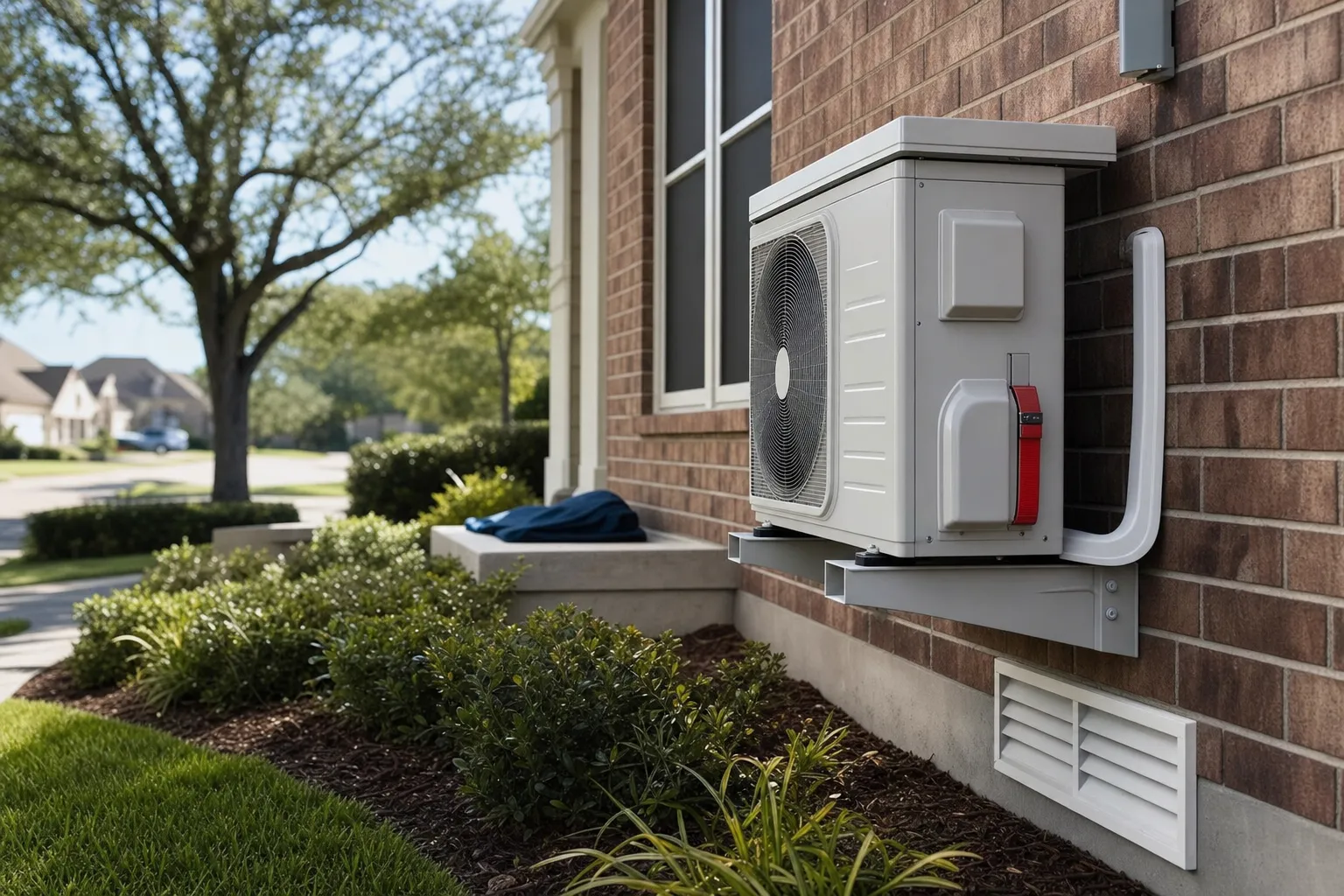
Allergens such as pollen, dust mites, pet dander and mold spores reduce indoor air quality by adding particles and biological material to the air that people breathe. To reduce their impact we recommend a combination of source control, filtration upgrades, ventilation and humidity management, plus targeted duct and system work from an experienced HVAC contractor.
What we mean by allergens and indoor air quality
Allergens are small particles or biological material that trigger allergic reactions or irritate the airways. Indoor air quality describes how clean the air inside a building is, including particle levels, humidity and the presence of contaminants like mold or volatile compounds.
When allergens are present at higher levels, occupants can experience sneezing, congestion, itchy eyes, worsening asthma or reduced comfort. For homeowners and building managers in Houston, understanding sources and control options is the first step.
Why this matters in Houston
Houston has a long warm season, high humidity and periods of heavy pollen. Those conditions increase mold risk and allow outdoor allergens to enter homes more easily. Many residents use central air conditioning all year. A well maintained HVAC system helps control allergen levels by filtering air and managing humidity, while poor maintenance can let contaminants accumulate and circulate.
Because we work across Houston, we look for common local patterns such as pollen season spikes, humid basements or attics, and condensate or duct issues that feed mold growth.
Key concepts to understand
- Sources. Common indoor allergens include pollen, dust mite waste, pet dander, mold spores and cockroach particles. Outdoors, oak, cedar and grass pollen are seasonal contributors.
- Filtration. Filters remove particles from air passing through the HVAC system. Filter performance varies by design and rating.
- Ventilation. Bringing in clean outdoor air and exhausting stale air helps dilute indoor contaminants when outdoor air quality allows it.
- Humidity control. Keeping relative humidity between 40 percent and 50 percent limits dust mite and mold growth while maintaining comfort.
- Source control. Reducing indoor sources, such as fixing leaks and limiting indoor smoking, is the most effective long term strategy.
- Duct and equipment condition. Dirty or leaky ducts, clogged drains and neglected coils can add allergens and reduce system efficiency.
Common questions we hear
How do allergens get into homes?
Allergens enter by open windows and doors, on clothing or pets, and through ventilation systems. They also grow in place where moisture is present, for example in damp attics, crawl spaces or inside ducts with condensation.
Can a filter eliminate allergens?
No single filter eliminates all allergens. Filters reduce airborne particles that pass through the system. Higher efficiency filters remove smaller particles, but they must be compatible with the HVAC fan and airflow. We consider filter efficiency, airflow impact and occupant needs before recommending changes.
Should I be worried about mold?
Mold spores are common. Persistent mold growth, visible staining, or musty odors indicate active moisture problems that need investigation. Address the moisture source first, then cleaning and HVAC work reduce spore circulation.
Comparing common filtration and control approaches
| Approach | How it helps |
|---|---|
| Basic pleated filters | Captures larger particles like pollen and pet hair, affordable and simple to change. |
| High MERV pleated filters | Traps finer particles including some dust mite debris. Check compatibility with your system to avoid airflow reduction. |
| True HEPA systems | Removes very small particles effectively. Often used in portable units or dedicated clean air machines rather than standard central systems. |
| Ventilation and exhaust | Dilutes indoor pollutants and reduces steady buildup when outdoor air quality permits. |
| Humidity control | Limits conditions that allow dust mites and mold to thrive. |
What good looks like for homeowners and managers
Practical checklist to reduce allergens
- Use a pleated filter rated for your system and change it on the schedule the manufacturer or technician recommends.
- Run ventilation fans briefly after cooking and showering, or use whole building ventilation when outdoor air quality allows.
- Keep indoor humidity in the 40 percent to 50 percent range in Houston summers and winters.
- Seal gaps around windows and doors and repair roof or pipe leaks promptly.
- Schedule regular HVAC maintenance to clean coils, check drains and verify airflow.
When an HVAC contractor helps most
We do not suggest DIY fixes for system problems that affect airflow or humidity control. As an HVAC contractor we assess duct condition, airflow, filtration compatibility and system performance. That assessment shows whether a simple filter change is enough, or whether duct cleaning, installation of a dedicated filtration system, or humidity control equipment is appropriate.
Learn more about our Indoor Air Quality service on our Indoor Air Quality service page and about routine care on our HVAC Maintenance page.
Related services and topics
Controlling allergens usually involves more than one trade off. Relevant services we offer include Indoor Air Quality, air duct services to remove settled dust, and preventive HVAC maintenance to keep systems working efficiently. For a deeper dive on choosing filters, read our Air Filter Selection topic page.
Related locations
We provide indoor air quality assessments and HVAC work across the Houston area. If you want to check local details, see our Locations hub for service areas and neighborhood pages.
Helpful resources and standards
For technical background and standards, consult the following authoritative sources:
- U.S. Environmental Protection Agency indoor air quality guidance for practical tips and explanations.
- ASHRAE guidance on filtration and MERV ratings, which describes how filters are rated for particle capture.
- Texas A and M AgriLife Extension resources on mold and home moisture control tailored to Texas climates.
Key takeaway
Allergens lower indoor air quality by increasing airborne particles and biological irritants. Effective control in Houston combines source reduction, the right filtration, proper ventilation and humidity control. A trained HVAC contractor can assess system compatibility and recommend solutions that reduce allergens without harming airflow.
Frequently asked questions
What filter should I use if someone in the house has allergies?
Choose a higher efficiency filter that your HVAC system can handle. Many homes work well with a MERV rated pleated filter. If you are considering a very high efficiency filter or HEPA, check airflow and fan capacity first. A technician can test system performance during a service visit.
Do portable air cleaners help with allergens?
Portable HEPA air cleaners remove very small particles in a single room and can help in bedrooms or living areas. They are a useful supplement to whole building filtration, not a replacement for a well maintained HVAC system.
Will duct cleaning remove all allergens?
Duct cleaning removes settled dust and debris that can be reintroduced into the air. It helps when ducts are very dirty or contaminated, but cleaning must be combined with source control and filtration to produce lasting improvement.
How does humidity affect allergens?
High humidity encourages mold and dust mite populations. Maintaining relative humidity near 40 percent to 50 percent reduces those risks while keeping comfort high. Active humidity control equipment is sometimes needed in Houston homes.
Next steps
Read customer reviews and get directions on our Google Business Profile, and explore related topics and services on our site to learn more about indoor air quality options.