
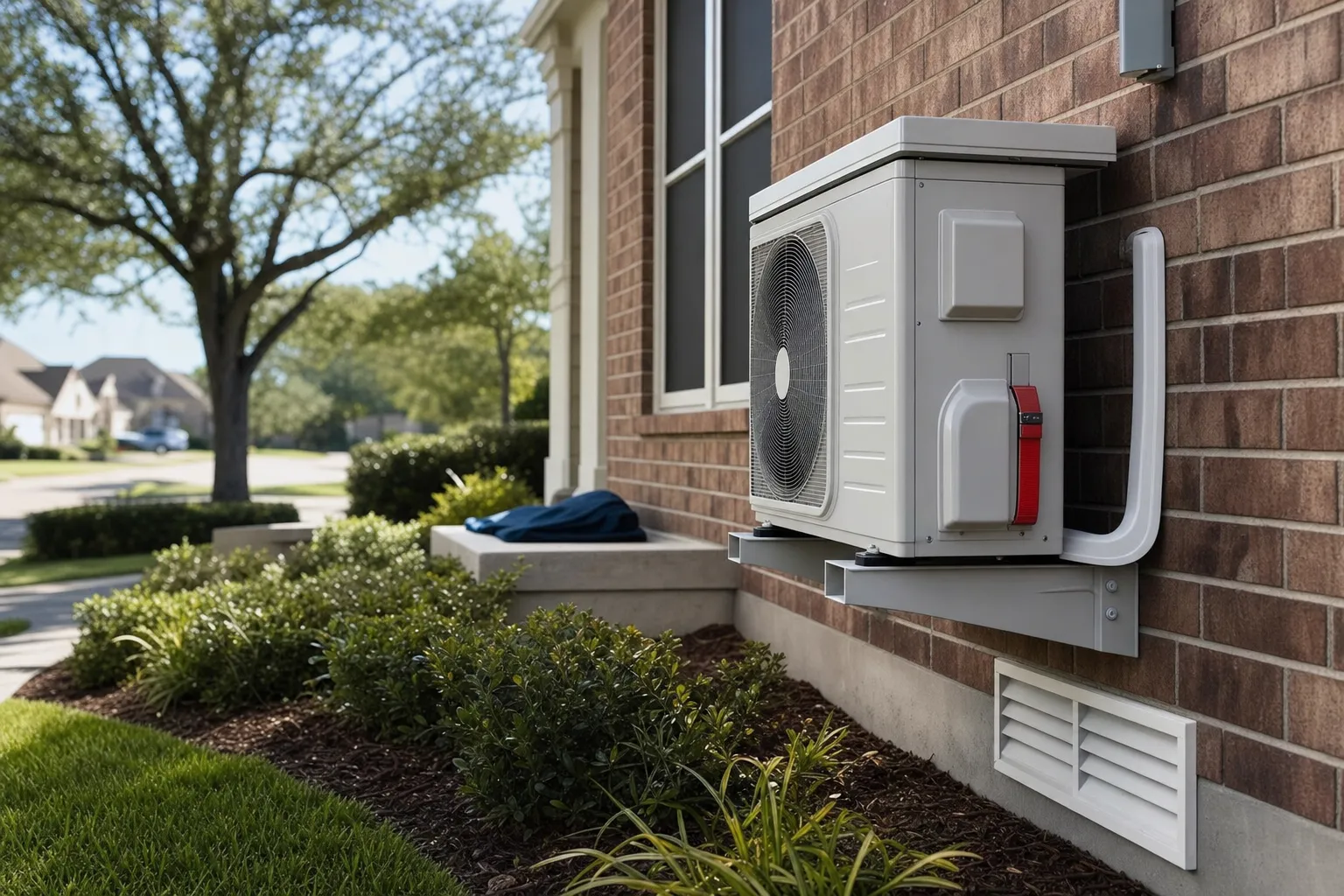
Air duct cleaning can reduce dust, remove visible mold growth, and eliminate odors or pest debris when those problems are present, but it is not a cure all for every indoor air quality concern. We evaluate the ducts, vents and system performance, and recommend targeted cleaning only when inspection shows a clear benefit.
What we mean by air duct cleaning, and what it does
Air duct cleaning refers to removing settled dust, built up debris, visible mold, and biological contaminants from the supply, return, and HVAC system components that move conditioned air. Clean ducts can help airflow, reduce the load on equipment, and remove a source of odors.
What air duct cleaning can do for your Houston property
- Reduce settled dust and visible debris in ductwork and registers.
- Remove pest nesting materials and traces of rodent activity when present.
- Eliminate persistent dust related to construction or major renovation.
- Remove visible mold growth from accessible duct surfaces and interior plenum areas, as part of a broader mold remediation plan.
- Improve airflow if heavy buildup is restricting registers or grilles.
What air duct cleaning does not do
- Cleaning alone will not remove airborne allergens at scale if the source is inside the living space, such as carpeting, bedding or pets.
- It will not fix indoor humidity problems or mechanical issues such as a failing blower motor or refrigerant leaks.
- Cleaning is not a substitute for regular filter changes, duct repairs, or a comprehensive indoor air quality plan.
Standards and guidance we follow
We base our approach on industry guidance and science. The National Air Duct Cleaners Association publishes technical standards that describe acceptable cleaning methods and inspection criteria. The U.S. Environmental Protection Agency provides plain language guidance about when duct cleaning is likely to matter. For local duct design and building science information, we refer to university extension resources such as Texas A and M AgriLife Extension.
When we recommend cleaning, we point to observable evidence, measurable impacts on system performance, or documented history that makes cleaning a practical step.
When air duct cleaning is likely to help in Houston
In Houston, humidity, construction activity, and occasional pest intrusion create specific situations where cleaning is useful. Consider cleaning when one or more of these apply:
Signs that cleaning is probably warranted
- Visible mold growth inside supply or return grills or on the HVAC plenum.
- Rodent or insect nesting material in ducts or excessive droppings in vents.
- Significant dust clouds coming from vents after running the system.
- Recent major remodeling that left construction dust in the system.
- Persistent musty or stale odors that trace to the duct system.
If those signs are absent, routine cleaning usually provides limited value. In many homes, keeping a high quality filter and following a maintenance schedule produces better results than random cleaning.
How we inspect ducts before recommending cleaning
We do a visual and performance based assessment first. Our technicians look for:
- Visible contamination at grills and registers.
- Signs of moisture intrusion, condensation, or leaks.
- Pest evidence like nesting or droppings.
- Restricted airflow and pressure measurements that suggest blockage.
- System component contamination such as in the blower compartment or coils.
When inspection shows targetable contamination, we discuss the scope and realistic outcomes before proceeding.
Our cleaning process, explained step by step
- Inspect and document. We photograph and log visible conditions, take airflow readings, and identify components that need attention.
- Containment and safety. We isolate the work area, protect floors and furnishings, and follow procedures to avoid contaminant spread.
- Mechanical agitation and HEPA vacuuming. We use agitation tools to dislodge debris and a high efficiency HEPA vacuum to remove the material from the system.
- Clean components. Accessible registers, grilles, the plenum and blower compartment receive focused cleaning, and we clean or recommend cleaning of coils when contaminated.
- Post work inspection. We recheck airflow and document the condition so you can see the change.
We do not perform invasive work such as cutting open sealed duct sections for routine cleaning unless a repair is required, and we will document any repairs separately.
Pro tip: Regular filter maintenance, correct filter MERV selection for your household, and preventive HVAC maintenance often reduce the need for full duct cleaning and deliver better continuous indoor air quality.
What good results look like and realistic expectations
Good results include reduced visible dust at registers, elimination of odors tied to duct contamination, and measurable airflow improvements when blockage existed. Expect modest changes in airborne allergen counts unless the cleaning is part of a full indoor air quality plan that addresses sources, filtration and humidity control.
Pros
- Removes visible contamination and pest debris.
- Can resolve duct related odors.
- Helps restore airflow when heavy buildup is present.
Cons
- Not a cure for all allergy or asthma triggers.
- Benefits are limited without ongoing filtration and maintenance.
- Poorly performed cleaning can create dust if containment is weak.
How to choose a reputable air duct cleaning service in Houston
Because the quality of the work matters more than the price, look for clear inspection reports, references to accepted cleaning methods, and technicians who can explain what they will clean and why. Ask for documentation of the work performed and before and after photos.
- Confirm the contractor follows NADCA or similar standards and can describe their equipment and vacuum containment.
- Request a written scope that lists components to be cleaned, such as registers, the plenum, and the blower housing.
- Check that the company is licensed and insured to work on HVAC systems in Houston.
We link our technical guidance to research and standards when we provide a written recommendation. For more on filter selection and how it affects cleaning needs, see our topic page on air filter selection at Air Filter Selection. To learn about our air duct services, see our service page at Air Duct Services. For information about Cool Care in Houston, visit our location page at Cool Care Heating and Air Conditioning in Houston.
Watch out: Be cautious of companies that recommend routine annual duct cleaning without inspection, use scare tactics about health risks, or refuse to provide a clear scope of work and references.
Common misconceptions about air duct cleaning
Several myths circulate about duct cleaning. We address the ones homeowners ask us about most often.
- Myth: Cleaning will fix all allergy problems. Reality: Allergens inside the living space, such as dust mites or pet dander, require source control and filtration. Cleaning ducts is one tool among many.
- Myth: A product sprayed into ducts will eliminate mold. Reality: Chemical sprays are not a substitute for removing the contamination and fixing moisture sources. They can mask problems without resolving them.
- Myth: All air duct cleaning companies follow the same standards. Reality: Methods and thoroughness vary widely, so documentation and standards matter.
Related considerations for Houston properties
Houston's climate influences indoor air quality. High humidity can encourage microbial growth when ducts have leaks or wet insulation. Construction and remodeling projects can introduce large amounts of dust into HVAC systems. For many properties, a targeted cleaning after a known contamination event provides measurable benefits.
For broader indoor air quality work we offer assessments as part of our Indoor Air Quality services. See our indoor air quality service page for the range of solutions we provide, including filtration upgrades and humidity control that work together with duct services to improve comfort and air quality at scale. Indoor Air Quality
Frequently asked questions
How often should air ducts be cleaned?
There is no universal schedule. We recommend cleaning when inspection shows visible contamination, after major renovation, if pests have entered the system, or when mold is visible inside ducts. Otherwise, regular filter changes and preventive maintenance reduce the need for full cleaning.
Will duct cleaning improve my HVAC efficiency?
Cleaning can improve airflow and system performance if heavy buildup is restricting registers or the blower compartment. If the system needs repair or has mechanical faults, cleaning alone will not restore efficiency.
Does duct cleaning remove mold?
Cleaning can remove visible mold growth from accessible surfaces, but mold remediation also requires identifying and correcting moisture sources. We follow guidance consistent with industry standards when mold is present.
Can I clean my ducts myself?
Simple register cleaning is reasonable for homeowners, but full system cleaning requires professional containment and HEPA vacuuming to avoid spreading debris. We advise professional assessment before attempting extensive cleaning.
What should a professional inspection include?
A professional inspection should document visible contamination, check for moisture and leaks, assess airflow, and provide a clear scope and photographs of areas to be cleaned. Ask for a written report.
Key takeaway
Air duct cleaning is a targeted service that helps when ducts show visible contamination, pest evidence, mold, or heavy dust after renovation. We recommend inspection first, sensible filtration and maintenance second, and cleaning only when it will produce measurable improvement.
Learn more and check our reviews
Read customer reviews and get directions on our Google Business Profile, and explore related topics and services on our site to decide if duct cleaning is right for your property.
Air Filter Selection • Air Duct Services • Cool Care in Houston