
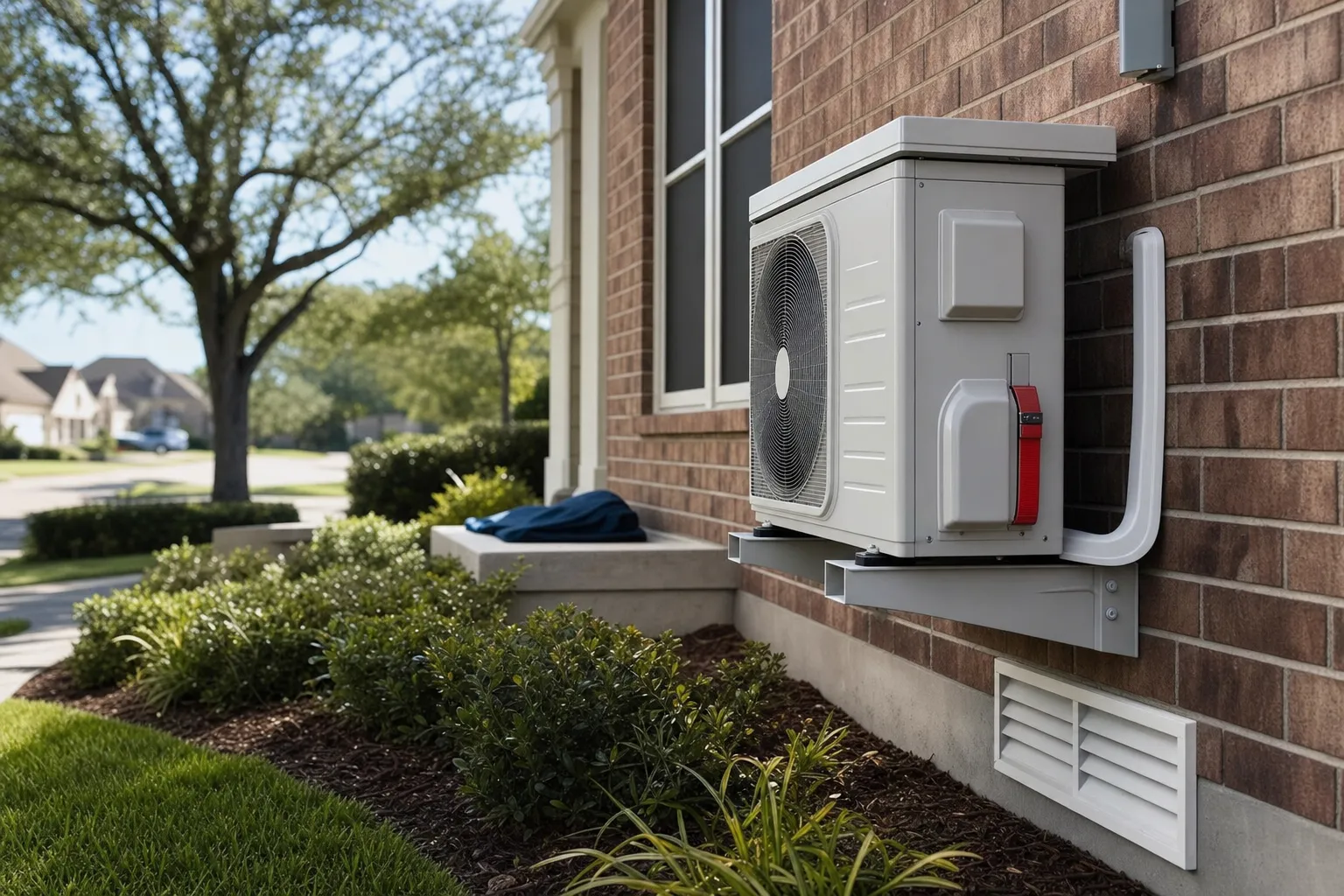
Smart thermostats can lower energy use and give us real time information about how an HVAC system is running, but HVAC maintenance needs differ across Houston because of climate variations, building construction, ductwork condition and how people use a space. We explain what changes from neighborhood to neighborhood, what technicians look for, and how smart controls fit into a preventive maintenance plan.
What this topic covers
We focus on two closely related ideas. First, why routine HVAC maintenance is not one size fits all across Houston and nearby communities. Second, how smart thermostat benefits change maintenance priorities and let us diagnose problems faster. If you want the short answer to both points, here it is.
Smart thermostats reduce unnecessary runtime, provide remote diagnostics, and let us spot performance issues earlier, but the actual maintenance checklist we use depends on the building type, ductwork, system age and local climate factors.
This guide lays out the technical reasons behind variation, practical signs to watch for, and how we adapt maintenance for different properties while using smart controls to improve outcomes.
Why maintenance needs differ locally in Houston
Houston covers a wide area with a mix of older single family homes, new subdivisions, multifamily buildings, and commercial properties. Weather, humidity and construction standards produce different stress on equipment. The main local drivers are these.
- Climate load and humidity: High summer heat combined with high humidity increases compressor and coil load.
- Building envelope and insulation: Older homes in neighborhoods like The Heights and mid century properties may have different leakage and insulation levels than new builds in Katy or Sugar Land.
- Ductwork condition and design: Duct location, insulation and layout change airflow and static pressure, which affects maintenance intervals.
- System type and age: Central split systems, packaged rooftop units and ductless mini splits have different service needs.
- Occupancy and hours of use: A single family home, a 24 hour rental unit, and a small business will impose different runtime and filtration requirements.
Those variations mean our preventive checks, filter schedules and diagnostics focus on different items depending on the property. For example, coastal neighborhoods near Clear Lake may need more attention to corrosion and condensate drainage, while inner loop neighborhoods often need duct leakage and insulation checks on older systems.
Key concepts to understand
- Runtime and cycling. How long compressors and fans run each day affects wear and energy use.
- Load matching. Proper system sizing and airflow balance keep humidity and temperature in range.
- Airflow and static pressure. Restricted airflow raises coil temperature and reduces dehumidification.
- Thermostat placement and control logic. A thermostat stuck in direct sun or near a vent gives misleading temperature readings.
- Data and diagnostics. Smart thermostats add runtime logs, error codes and remote access that change how we troubleshoot.
Pro tip: When you pair a smart thermostat with regular preventive maintenance, we can use runtime trends and alerts to catch cooling or airflow problems before they force a breakdown.
How smart thermostat benefits change maintenance priorities
Smart thermostats do not replace hands on service, but they change what we look for and how quickly we respond. Key impacts are:
- Faster fault detection. Push alerts for short cycling, long runtimes, or loss of communication mean we can review system logs and schedule a focused inspection.
- Better runtime data. Hourly and daily runtime graphs let us see trends that used to require manual logging.
- More precise set points. Learning and zoning features reduce unnecessary runtime by adapting temperature control to occupancy patterns.
- Remote troubleshooting. With homeowner permission, we can review certain diagnostics to determine whether an on site visit is needed.
Those features improve preventive care, but the underlying maintenance tasks remain the same and depend on the property. We still check refrigerant charge, measure airflow, inspect coils and test safety controls. Smart thermostats help us decide how urgent a problem is and where to focus our inspection.
Comparison table: thermostat types and maintenance implications
| Thermostat type | What we check during maintenance | How it affects service frequency |
|---|---|---|
| Manual thermostat | Simple wiring, local sensor accuracy | Standard checks, no remote data to guide timing |
| Programmable thermostat | Schedule integrity, battery and wiring | May lower runtime if schedules are used, still limited diagnostics |
| Smart thermostat | Sensor placement, connectivity, runtime logs and adaptive features | Can extend intervals for simple faults, but reveals problems that need immediate attention |
How we tailor maintenance by property type
Below are typical adjustments we make to a maintenance plan depending on building type. These are decision guides, not do it yourself steps.
- Older single family homes. We prioritize duct leakage, insulation checks and thermostat placement. Smart thermostats help reveal room to room imbalance.
- New construction and tightly sealed homes. We focus on refrigerant charge and airflow. Smart controls often reduce runtime and improve humidity control.
- Multifamily and apartment buildings. We watch common duct risers and shared mechanical rooms. Centralized controls can hide localized issues, so smart thermostats in units provide better per unit data.
- Small businesses and commercial units. Runtime and equipment duty cycle are often higher. We check condensate drainage, commercial thermostat integrations and priority alarms.
- Ductless systems. These have separate maintenance needs. See our topic on Ductless Maintenance Needs for details and how smart controllers integrate.
Pros
- Smart thermostats improve diagnostics and energy tracking
- They help us prioritize preventive tasks
- Remote data reduces unnecessary on site time
Cons
- They do not replace physical checks of coils, refrigerant and ducts
- Connectivity or sensor placement issues can produce misleading data
Checklist: what we inspect when a smart thermostat reports unusual behavior
Technician checklist for a smart thermostat alert
- Confirm thermostat placement and sensor readings
- Compare remote runtime logs to on site measurements
- Inspect filters and airflow for blockages
- Measure refrigerant pressures if short cycling or long runtimes are present
- Check condensate drain lines for restriction
- Verify fan operation and blower motor amp draw
- Inspect duct connections and measure static pressure where applicable
Common customer questions and short answers
- Will a smart thermostat reduce my maintenance visits? It can reduce unnecessary diagnostic visits by providing data, but it usually increases early alerts that lead to targeted service.
- Do smart thermostats save energy in Houston? Yes, when they are set up correctly and paired with a properly sized and maintained HVAC system. ENERGY GOV research shows programmable and smart controls can reduce heating and cooling energy use when used appropriately.
- Are smart thermostats compatible with ductless systems? Many brands offer controllers for ductless equipment, but compatibility varies. We evaluate controller compatibility as part of our maintenance and installation work.
Related services we provide
Smart thermostat benefits are strongest when the HVAC system itself is healthy. That is why we connect thermostat work to core services. Learn more on these pages.
- HVAC Maintenance for preventive tune ups and system diagnostics
- Ductless Systems service where separate controllers and maintenance are needed
- Indoor Air Quality assessments to match thermostat control to filtration and humidity strategies
Related locations and how local conditions matter
We serve Houston and nearby communities, and we tailor work to local conditions. For example, inner loop neighborhoods often have older systems and ductwork, suburban areas may see more new construction and tighter envelopes, and coastal zones need attention for corrosion and drainage. See our locations page for service area details.
Helpful external resources and manufacturer information
When we reference studies or standards we use authoritative sources. A couple that are useful for homeowners and property managers are these.
- U.S. Department of Energy, overview of thermostats and savings potentials: energy.gov thermostats
- Bureau of Labor Statistics, occupational outlook for heating and air conditioning mechanics and installers, which shows workforce concentration and regional demand: BLS HVAC occupations
We consult manufacturer documentation when troubleshooting controls. That helps us interpret error codes and follow recommended maintenance steps without voiding warranties.
Practical examples from our work in Houston
Two short examples illustrate how variation matters and how smart thermostats help.
- Case 1, older bungalow. A smart thermostat showed short cycling on hot afternoons. On site we found a blocked return grill and an undersized duct run. Fixing airflow and balancing the system reduced cycling and improved dehumidification.
- Case 2, new energy efficient build. Runtime logs showed long, steady compressor operation with minimal off time. The system was oversized, which reduced dehumidification. Adjusting control logic and adding a smart thermostat schedule improved comfort without changing equipment.
Both examples use data to prioritize the right maintenance tasks instead of guessing.
Key takeaway
Smart thermostats are powerful tools that help us detect problems and tune control logic, but they do not replace the hands on checks that depend on building type, ductwork and local climate. Pairing smart controls with regular maintenance gives the best balance of efficiency, comfort and equipment life.
Frequently asked questions
How much energy can a smart thermostat save in Houston?
Savings vary by occupancy and system condition. Smart thermostats reduce wasted runtime and can improve humidity control, but published savings depend on user behavior and system efficiency. The U.S. Department of Energy provides general guidance on thermostat savings and best practices.
Will a smart thermostat tell me if my AC needs refrigerant?
Smart thermostats can flag symptoms such as long runtimes or poor temperature hold, which might indicate low refrigerant, but they cannot measure refrigerant charge directly. A technician still needs to perform pressures and temperature split checks to confirm and repair refrigerant issues.
Are smart thermostats worth it for a rental property?
Yes, they can reduce runtime and provide remote scheduling features, which may lower operating costs. For multifamily or rental units, per unit smart controls give better insight than a single central controller. Consider compatibility and tenant privacy when choosing a model.
Do smart thermostats work with ductless mini split systems?
Many manufacturers offer compatible controllers for ductless systems, but compatibility varies. We evaluate the specific brand and model to ensure proper control and communication during maintenance or installation.
Where to learn more and check our local presence
Read customer reviews and get directions on our Google Business Profile to see how we serve Houston neighborhoods. For additional reading, see our article on Smart Thermostat Benefits and our service page for HVAC Maintenance.
Learn more about our coverage and community pages on the Locations hub.