
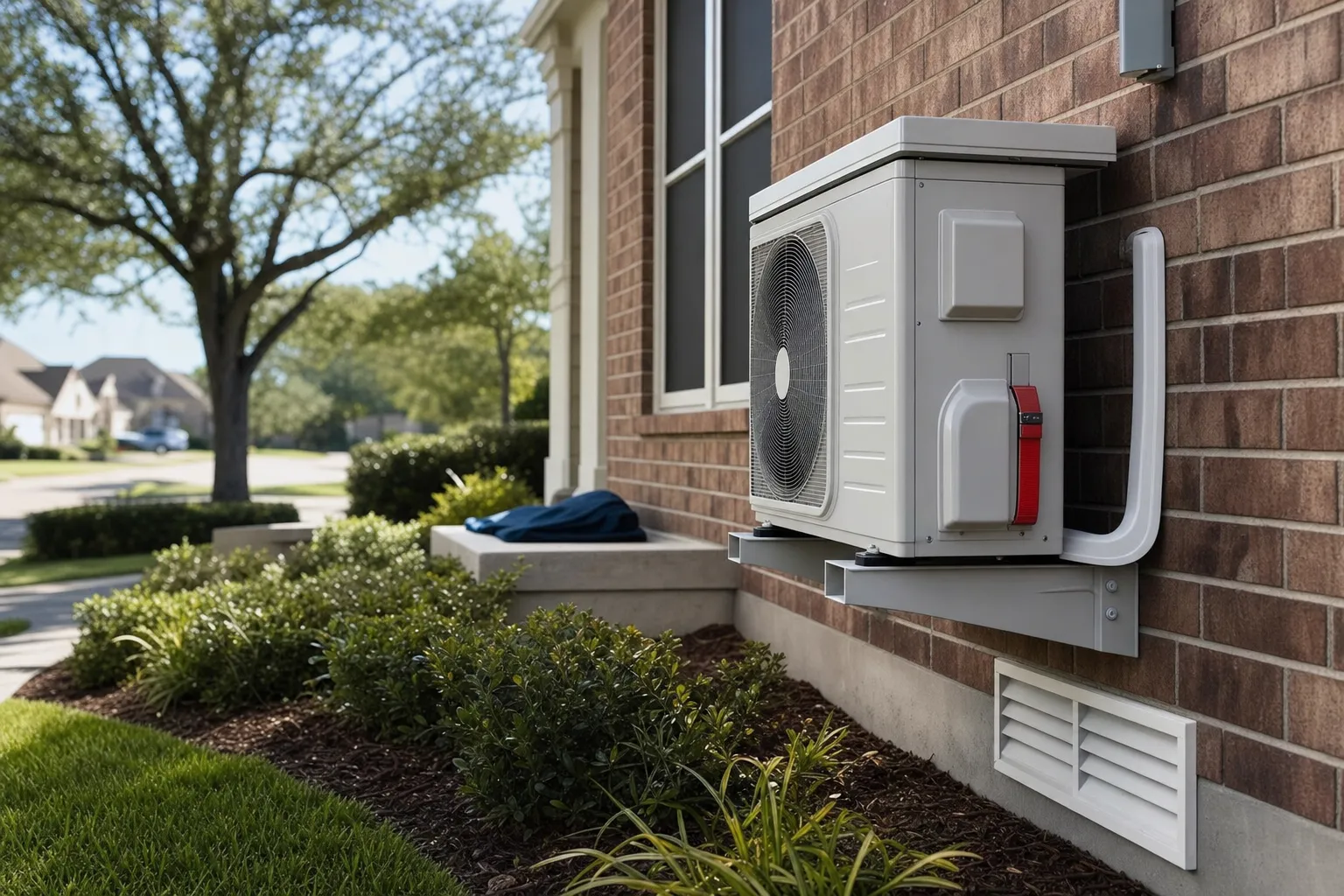
During a preventive maintenance review we inspect, clean, test and adjust your heating and cooling equipment so it runs safely, uses less energy and avoids most unexpected breakdowns. We document what we find, explain recommended next steps, and leave you with a clear Preventive Maintenance Checklist for your home or building.
What is a preventive maintenance review for HVAC
A preventive maintenance review is a scheduled service visit where our technicians examine your central air conditioner, heat pump or furnace, verify safe operation, clean or replace basic components and tune controls. The goal is to find small problems before they become failures, maintain manufacturer warranties, and preserve system efficiency and indoor comfort.
We follow a consistent checklist during each review so results are repeatable from visit to visit. That checklist covers safety items, airflow and refrigerant checks, electrical connections, lubrication, filter condition and condensate drainage, among other items.
Why this matters for Houston homeowners and businesses
Houston has long cooling seasons, high humidity and hard use of air conditioning. That combination increases wear on compressors, coils and fan motors. Regular maintenance reduces the risk of mid-summer failures and helps equipment operate more efficiently when cooling demand is highest.
For landlords, property managers and commercial building owners in Houston, preventive maintenance also reduces tenant complaints, protects rental income and extends equipment life. For homeowners, a well maintained system helps control electricity bills during the hottest months.
Cool Care Heating and Air Conditioning is licensed and insured, and we document each review for warranty and recordkeeping purposes.
Key concepts in a preventive maintenance checklist
- Safety checks. Verify electrical safety, fuse and breaker condition, and correct operation of safety switches.
- Airflow and filters. Inspect filters, return grilles and blower for restrictions that lower airflow and stress equipment.
- Refrigerant and cooling performance. Check refrigerant charge indirectly through pressures and temperature split when safe to do so.
- Coil and condensate care. Clean condenser and evaporator coils as needed and make sure condensate drains are clear to prevent water damage.
- Electrical connections and controls. Tighten and inspect wiring, capacitors and contactors, and confirm thermostat settings and sensors.
- Moving parts and lubrication. Verify fan motor bearings and belt condition to avoid premature failures and noise.
- Documentation and recommendations. Record findings, note parts that may need attention, and give a clear next steps list.
What we inspect and why each item matters
Below is what we typically include on a full preventive maintenance review and what each check protects.
- System safety and power checks. We inspect disconnect switches, breakers and visible wiring. Loose or corroded connections can overheat and cause component failure or fire risk.
- Air filter inspection. Clogged filters reduce airflow, make the blower work harder and degrade indoor air quality. We replace or recommend the right filter type for your system and needs.
- Blower and fan inspection. We clean the blower assembly, check motor amperage and balance. Proper airflow keeps evaporator coils from freezing and maintains comfort.
- Coil cleaning and inspection. Dirty coils reduce heat transfer, cutting efficiency. We inspect coil condition and remove light debris. Severe coil restrictions may need specialized cleaning.
- Refrigerant circuit review. We look for signs of leaks, check pressures where safe, and confirm the temperature difference across the evaporator coil. Refrigerant issues reduce cooling capacity and can damage compressors.
- Condensate drain evaluation. We clear slow drains, check pan condition and confirm proper discharge. A clogged condensate line can cause water damage and microbial growth.
- Electrical component testing. We test capacitors, contactors and relays, and verify sensors and controls. Early detection prevents failed starts and intermittent operation.
- Thermostat and control calibration. We verify thermostat placement, calibration and schedule settings so the system maintains setpoints efficiently.
- Duct and airflow inspection. We look for large leaks, disconnected runs and obvious blockages at accessible returns and registers. Poor duct performance causes uneven comfort and higher energy use.
- Operational test. We run the system through a cooling or heating cycle and record key readings. That helps confirm repairs and shows how the system performs under load.
Basic tune up versus full preventive maintenance review
| Basic tune up | Full preventive maintenance review |
|---|---|
| Quick filter check, basic visual inspection and system start up. | Comprehensive checklist, electrical testing, airflow and refrigerant checks, coil attention, condensate service and written findings. |
We recommend a basic tune up for interim care between annual reviews. A full preventive maintenance review is the comprehensive visit that documents system health and uncovers issues before they fail.
How often to schedule reviews and seasonal timing
For Houston we advise at least one preventive maintenance review each year for heating and cooling combo systems, and two per year for systems that are used heavily or older than 10 years. Most customers schedule a spring cooling review before the cooling season and an autumn check for heating equipment.
Regular reviews help keep manufacturer warranty requirements current. If you are unsure what your equipment needs, our HVAC Maintenance service page explains common schedules and options.
Learn more about preventive maintenance tasks and a printable checklist on our Preventive Maintenance Checklist topic page.
How we report findings and what good documentation looks like
We provide a written summary after each review that lists completed tasks, measurements taken and any recommendations. Good documentation includes the date, technician name, model numbers, measured values such as temperature split and amperage readings, and a clear priority for follow up items.
Keeping records over time helps spot trends such as increasing amperage on a motor or a coil that slowly becomes restricted. That trend based approach usually prevents emergency failures.
How you can prepare before a visit
Prepare for a preventive maintenance review
- Clear access to indoor and outdoor equipment, including service panels and air filters.
- Note any recent changes in comfort, noises or higher energy bills to share with the technician.
- Gather model numbers and warranty information if available.
Pro tip: If you have a smart thermostat, make sure remote access credentials are available so we can verify schedules and sensors during the visit.
Related services and next steps
Preventive maintenance reviews often lead to related services. If we find restricted airflow, we may recommend air duct services to restore balance. If indoor air quality is a concern, our Indoor Air Quality page explains common solutions. For full system questions, see our HVAC Contractor overview to understand replacement and installation considerations.
Read about air filter options and how filter choice affects maintenance on our Air Filter Selection page.
Related locations we serve
We perform preventive maintenance reviews across Houston and nearby communities. To see service areas and office locations, review our Locations hub for map details and localized guidance.
Helpful resources and what we rely on
When recommending parts or procedures, we follow manufacturer care documentation and common industry practices. For customers who want background on HVAC, the general HVAC overview helps explain system types and terminology.
Frequently asked questions
How long does a preventive maintenance review usually take?
Most full reviews take between 60 and 90 minutes for a single residential system. Complexity, accessibility and system age affect the time on site.
Will a review include filter replacement?
We inspect filters and either replace them if that is part of the scheduled service or recommend the correct replacement type. Filter replacement is often a separate line item when specialized filters are requested.
Do I need maintenance for ductless or mini split systems?
Yes. Ductless systems need similar attention, including indoor head cleaning, refrigerant checks and outdoor unit inspection. See our Ductless Systems service page for details specific to mini split equipment.
Can a maintenance review fix every problem the technician finds?
Some issues can be addressed during the visit, such as cleaning, tightening electrical connections or replacing a standard filter. Larger repairs or parts replacements are noted in the report and scheduled separately when needed.
How does maintenance affect energy bills?
Regular maintenance preserves efficiency by keeping coils clean, refrigerant at the correct level and airflow unrestricted. Efficient operation usually lowers energy use compared with neglected equipment, especially during heavy cooling months in Houston.
Key takeaway
A preventive maintenance review is a systematic inspection and tune up designed to keep your HVAC system safe, efficient and reliable. Regular reviews are especially valuable in Houston because of heavy cooling demand and humidity. We document everything so you can make informed decisions about repairs or upgrades.
Common warning signs you should not ignore
Watch out: Strange noises, water near equipment, sudden loss of cooling or frequent cycling are signs you should schedule a review soon. These issues can indicate refrigerant leaks, electrical problems or blocked condensate drains.
If you notice any of those signs, note when they started and any patterns such as time of day or weather conditions. That information helps our technicians diagnose issues more quickly during the review.
Learn more and check our local profile
See customer feedback and directions on our Google Business Profile. To read more about the tasks and timing of preventive maintenance, visit our Preventive Maintenance Checklist topic page and our HVAC Maintenance service page, or view the Locations hub for our service area.