
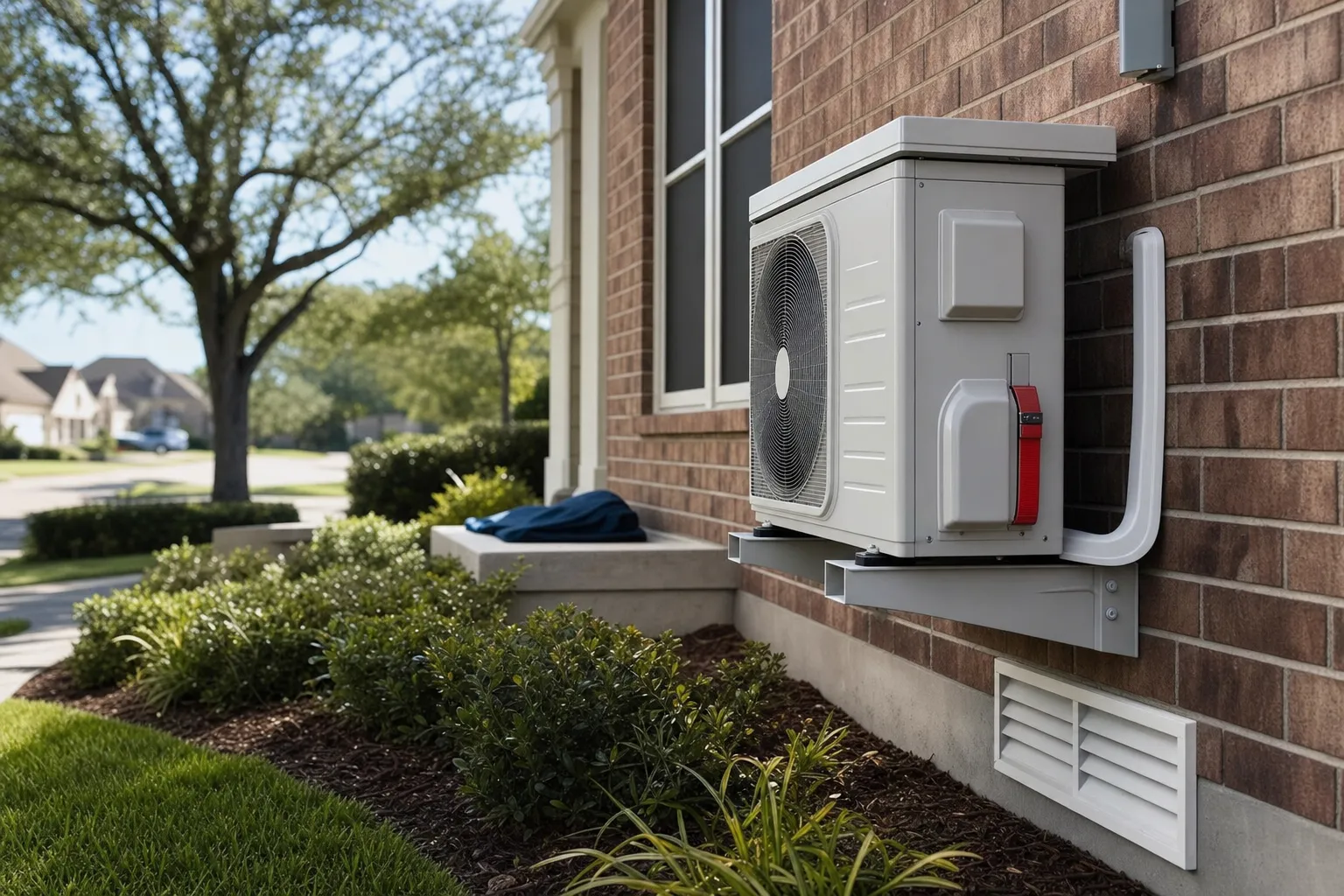
Seasonal HVAC maintenance means we perform a focused inspection, cleaning and tune up so your heating and cooling equipment runs safely and efficiently across Houston seasons. We start with a system review, perform targeted cleaning and safety checks, verify performance on the thermostat and airflow, and then document findings and recommend any repairs or follow up work.
How we handle seasonal HVAC maintenance, step by step
- Initial intake and system history. We begin by reviewing the system age, service history and current concerns you report. That helps us prioritize inspections for the outdoor condenser, indoor coil, furnace or heat pump, and any ductless indoor units.
- Safety checks. We confirm safe operation before doing work. For gas furnaces that includes checking the burner flame and venting for proper draft. For electric systems we verify electrical connections look sound and breakers are appropriately rated.
- Filters and airflow. We inspect filter type and condition, check airflow across the coil and measure supply and return performance. Restricted airflow is the single most common cause of poor efficiency, and it often has an easy remedy like a higher MERV filter properly installed or a duct issue that needs attention.
- Cleaning and component care. We clean condenser coils when needed, clear debris from the outdoor unit, clean or vacuum the indoor coil and drain pan, and flush the condensate drain if it shows blockage. For ductless systems we clean exterior panels and check indoor unit drainage and filters.
- Electrical and refrigerant checks. We tighten electrical terminals, test capacitors and motors, and check refrigerant pressures to confirm the system is within manufacturer specifications. If refrigerant is low, we document the finding and discuss next steps because refrigerant work requires certified handling.
- System calibration and performance verification. We confirm the thermostat settings, test temperature split between supply and return, and run the system to verify steady operation and comfort outcomes.
- Documentation and recommendations. We provide a written checklist of what we inspected, any minor adjustments we made, and recommended repairs with reasons. That documentation helps you prioritize work before extreme weather.
What we inspect and why each item matters
Understanding the purpose behind common checks helps you make decisions about repairs and upgrades.
- Air filters. Clean filters protect the coil, maintain airflow and improve indoor air quality. We note filter size and MERV level so you can choose the right replacement.
- Condenser coil and fins. A clean outdoor coil transfers heat efficiently. Dirty or bent fins reduce cooling capacity and raise operating cost.
- Evaporator coil and drain. A wet, clogged drain or a dirty coil can cause water damage and bacterial growth that affects indoor air quality.
- Electrical components. Loose or failing electrical parts cause intermittent failures and safety risks. Early detection avoids sudden breakdowns.
- Refrigerant charge and pressures. Correct refrigerant level keeps compressors from overheating and maintains cooling performance. Refrigerant work follows manufacturer guidelines and EPA rules.
- Thermostat calibration. A miscalibrated thermostat can make your system run too long or too little, wasting energy and shortening equipment life.
Pro tip: If you have a programmable or smart thermostat, bring settings up to date before our visit. That helps us verify system response and rule out control issues.
Common findings and the typical next steps
During seasonal maintenance in Houston we commonly find issues that range from simple to urgent. Below are typical findings and how we approach them.
- Dirty filter only. We replace or recommend a filter change and note expected improvement in airflow and efficiency.
- Restricted condensate drain. We clear the drain during maintenance and watch for signs of recurring blockage. If it recurs, we recommend checking the drain routing or installing an access point for easier service.
- Low refrigerant. We document charge level and look for evidence of a leak. Refrigerant repair requires certified technicians and appropriate parts; we outline options and the tradeoffs between repair and replacement when equipment is older.
- Worn electrical parts or motors. We recommend repairs when parts fail safety or reliability thresholds. Replacing a failing capacitor or relay is usually quicker and less expensive than a compressor replacement later.
- Uneven cooling or hot spots. We inspect ducts and registers, evaluate insulation and zoning, and recommend targeted fixes such as balancing ducts, sealing leaks or adding return paths.
What seasonal maintenance does not replace and when to choose a repair or replacement
Maintenance keeps equipment operating well, but it does not fix irreparable damage or restore worn major components. We explain the choices so you can decide with confidence.
- When maintenance is enough. Minor wear, dirty components, or tune ups usually restore normal performance and efficiency.
- When repair is appropriate. If a discrete component like a capacitor, contactor or fan motor fails, replacing that component extends system life at lower cost than replacement.
- When replacement should be considered. When the compressor, heat exchanger or other major components are failing, or the system is beyond expected life, replacement can be more cost effective. We compare long term operating costs, estimated remaining life and current efficiency to help you decide.
For deeper guidance on replacement considerations, see our discussion on repair versus replace and the topic page for Seasonal HVAC Maintenance.
Homeowner checklist before a seasonal visit
- Make sure the outdoor unit has a clear 2 to 3 foot area of clearance and remove loose debris.
- Have any known system history or error codes available when we arrive.
- Note rooms with poor heating or cooling and the times the problem occurs.
- Replace a disposable filter if it is visibly dirty before the visit so the tech can test airflow on a clean baseline.
Watch out: Refrigerant handling and gas diagnostics require certified technicians. Attempting to service refrigerant or gas components yourself can be unsafe and is not a substitute for professional maintenance.
Seasonal differences in Houston, and why timing matters
Houston summers place a heavy load on air conditioners, while mild winters still require reliable heat and moisture management. Timing maintenance before peak cooling season and before sustained heating needs improves comfort and reduces emergency repairs.
- Spring tune up. Focus on cooling readiness, condenser coil cleanliness and refrigerant levels so the system is ready for Houston heat.
- Fall check. Focus on furnace operation, ignition, flue safety and reversing valves on heat pumps so the system is ready for cooler spells.
We recommend annual maintenance for central systems and for most ductless mini splits. Regular tune ups preserve equipment performance and support better indoor air quality, an important factor in Houston homes and businesses.
Work we commonly coordinate with other services
Seasonal maintenance often uncovers issues that link to other services we provide.
- Air duct services for leaking or poorly balanced ducts, which improves airflow and comfort.
- Indoor air quality assessments when filters, ventilation or humidity control affect occupant health or comfort.
- Ductless system maintenance for mini splits that serves single rooms or additions.
Read more about our related services on the HVAC Maintenance service page and on our HVAC Contractor service page.
Frequently asked questions
How often should I schedule seasonal HVAC maintenance?
We recommend scheduling professional maintenance once a year for each major system, and twice a year for properties with heavy use or older systems, typically a spring check for cooling and a fall check for heating.
Will maintenance improve my energy bills?
Proper maintenance restores designed efficiency by correcting airflow issues, cleaning coils and ensuring correct refrigerant charge. That lowers run time and can reduce energy cost, though exact savings depend on system age and usage patterns.
Can I do any maintenance tasks myself?
Yes, you can change disposable filters and keep the outdoor unit clear of debris. Do not attempt refrigerant work, gas adjustments or electrical repairs yourself. Those tasks require trained technicians and, where applicable, certified refrigerant handling.
What happens if you find a refrigerant leak?
We document pressures and visible signs, then explain repair options. Repair involves locating and fixing the leak and recharging to manufacturer specifications, which must be done by certified personnel under EPA rules.
How do you document the maintenance visit?
We provide a written checklist of inspections, parts cleaned or adjusted, and recommended follow up. This record helps with warranty requirements, future service decisions and overall equipment history.
Key takeaway
Seasonal HVAC maintenance in Houston is a focused, safety minded inspection and tune up that reduces breakdown risk, improves comfort and documents system condition so you can make informed repair or replacement choices.
Where to learn more and check our local profile
See customer feedback and get directions on our Google Business Profile, and read related information on this site to decide what to prioritize next. Helpful pages include our Seasonal HVAC Maintenance topic, the HVAC Maintenance service page, and our Houston location page at Cool Care Heating and Air Conditioning in Houston.
We serve homeowners and businesses across Houston, Texas and nearby communities. For service details see our services and topics pages listed above.