
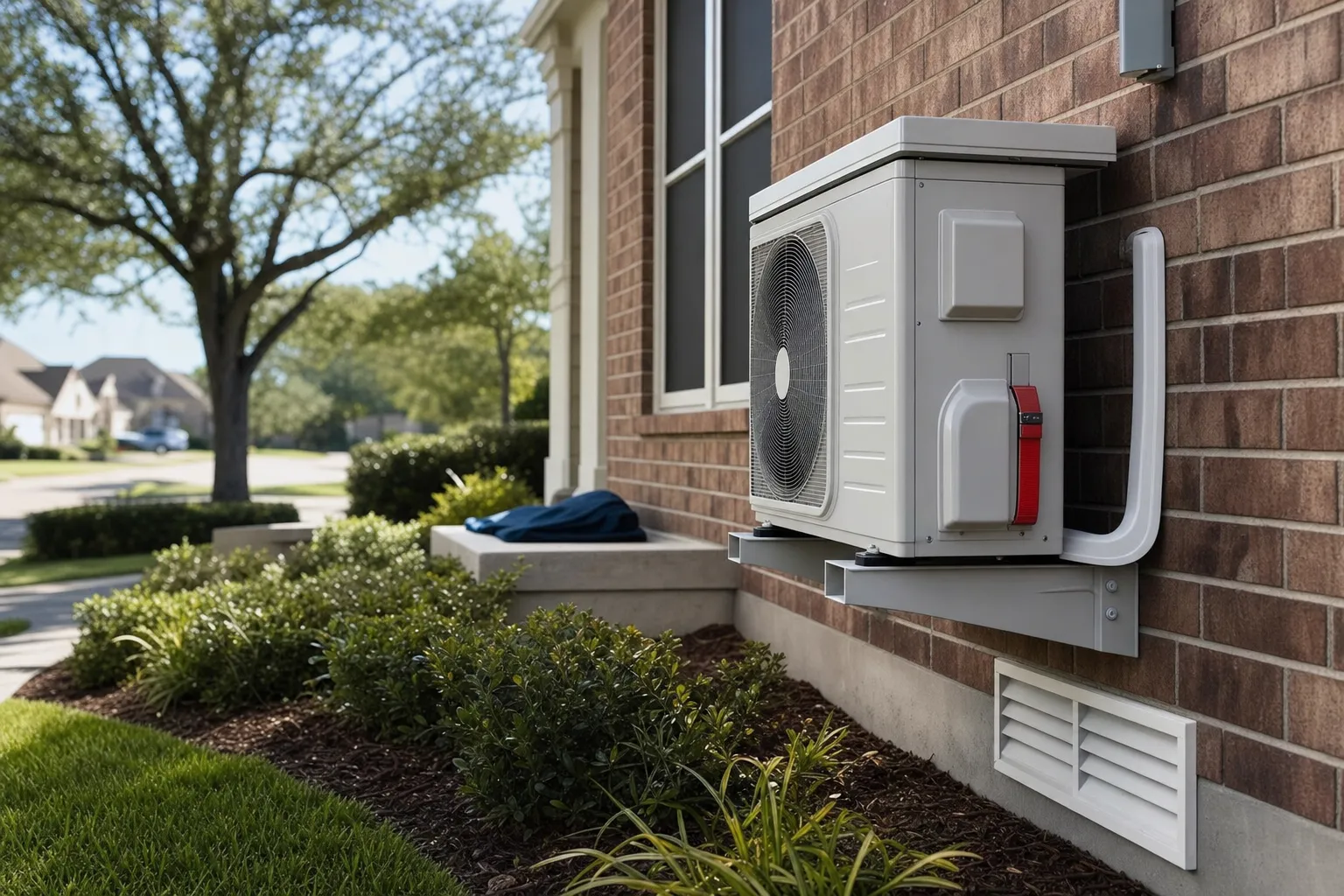
Ductless mini split systems deliver zoned heating and cooling, lower duct losses and improve comfort for many Houston homes and small businesses. At Cool Care Heating and Air Conditioning we install, maintain and repair ductless systems across Houston and nearby communities, and we help customers decide where a ductless system makes sense.
How ductless mini splits work in Houston s climate
Ductless mini splits are heat pump based systems made of an outdoor condenser and one or more indoor air handlers mounted on walls or ceilings. Each indoor unit runs a refrigerant line to the outdoor condenser, so conditioned air is delivered directly into the room instead of through ductwork. That direct delivery is especially useful in Houston where high humidity and uneven cooling loads make zoned temperature control attractive for older homes, add on rooms and small commercial spaces.
Because the indoor units are controlled independently, you can cool or heat occupied rooms without running a whole house system. That reduces runtime and often reduces energy use compared with conditioning all rooms through central ductwork when only part of the building is occupied.
Key benefits for homeowners and businesses
- Zoned comfort. Control temperature independently in bedrooms, sun rooms, office spaces or retail areas.
- No ductwork required. Ideal for older Houston houses, historic properties, room additions or spaces where installing ducts is impractical.
- Improved efficiency. Modern ductless units have high seasonal efficiency and avoid duct losses that can be significant in hot, humid climates.
- Better indoor air quality. Indoor units use washable or replaceable filters and some models include advanced filtration for pollen and dust, which helps Houston households with allergy concerns.
- Flexible installation. Multiple indoor heads connect to one outdoor condenser, letting you mix wall mounted and ceiling cassette styles for homes and commercial layouts.
Pro tip: For commercial spaces and multi room homes consider a multi zone ductless layout. It gives control where occupants actually spend time and can lower operating hours for large equipment.
Energy use, cost tradeoffs and what to expect in Houston
In Houston s warm climate, cooling dominates energy use. Ductless mini splits are heat pumps, so they move heat instead of generating it. On days when you only need cooling in a few rooms, running a few indoor units can be more efficient than cycling a large central system that conditions unused space. The U.S. Department of Energy has a clear overview of ductless mini split heat pump technology and where savings are likely. U.S. Department of Energy on ductless mini split systems.
That said, initial equipment and professional installation costs are typically higher per ton than simple split systems because of multiple indoor heads and refrigerant routing. Savings depend on usage patterns, insulation, window solar gains and how well the system is sized. We recommend a site visit to model expected runtime and estimated operating cost for your layout.
Watch out: Oversized or undersized units are common mistakes. Improper sizing causes short cycling, poor humidity control and excess wear. Accurate room by room load calculations are essential, especially in Houston s mixed humidity conditions.
Installation considerations and our process
Installation in Houston has a few local considerations including permitting, refrigerant routing through exterior walls, and selecting outdoor condenser locations that allow airflow and service access. At Cool Care Heating and Air Conditioning we follow a consistent process for ductless installs.
- Site assessment. We inspect the building, measure rooms, note sun exposure and check existing insulation and window shading because these influence sizing and placement.
- Load calculation and layout. We perform room by room load calculations to size indoor heads and the outdoor condenser. This prevents common problems like short cycling and poor dehumidification.
- Equipment selection. We review options for efficiency ratings, inverter technology and filtration to match your comfort and indoor air quality goals.
- Installation and refrigerant charging. Technicians install the indoor heads, route the lines, mount the condenser and charge the refrigerant per manufacturer specifications and industry best practices.
- System setup and user training. We balance each indoor head, set control zones and walk you through the remote controls, scheduling and basic filter care.
Because manufacturers differ, we follow the equipment maker s service and commissioning steps during install. Manufacturer installation guides give specific torque, line set and charging instructions, and we consult those documents while installing new systems. For general manufacturer guidance see a representative resource from a major ductless manufacturer. Manufacturer information on ductless systems.
Sizing, zoning and choosing indoor unit types
Good sizing starts with a load calculation that covers square footage, ceiling height, insulation, window area and typical occupancy. In Houston, windows with direct sun and poorly shaded west facing walls increase cooling load. For many homes a combination of wall mounted heads and a cassette unit in an open plan area is a practical mix.
Zoning lets you turn off or set back zones that are rarely used. For landlords and property managers in Houston, that means reduced operating cost in between tenancies. For retailers and small offices, zoning helps match comfort to business hours.
Decisions to make before installation
- How many zones do you need based on how you use each room.
- Whether the outdoor unit location allows a short, serviceable refrigerant run.
- What efficiency level and filtration options match your priorities.
- Whether supplemental dehumidification is needed in high humidity spaces.
Maintenance needs and common repairs
Ductless systems need routine attention to keep efficiency and indoor air quality high. Typical maintenance items include filter cleaning, coil inspection and ensuring proper condensate drain function. Regular maintenance also helps detect refrigerant leaks and control board problems before they cause breakdowns.
- Filters. Clean or replace washable filters about every one to three months, more often if you have pets or heavy dust.
- Outdoor condenser. Keep the area clear of debris and vegetation so airflow is unobstructed.
- Refrigerant checks. Technicians verify charge and look for leaks during annual service visits.
- Controls and sensors. We test thermostats and zone controls to confirm proper communication between indoor heads and the outdoor unit.
For seasonal maintenance guidance, our seasonal HVAC maintenance checklist explains what we inspect during a tune up. If a unit shows reduced cooling, odd sounds or poor humidity control, our HVAC repair team can diagnose the problem and advise next steps.
When ductless systems are a good match and when to consider central systems
Ductless systems are a strong option when you need zoned control, have no existing ductwork, are adding conditioned space or want to avoid the disruption of duct installation. They are also a common upgrade for older Houston homes where ducts are leaky or poorly insulated.
Central systems remain efficient for whole house conditioning, especially in well sealed modern homes with good ductwork. To compare options in more detail, see our related overview on ductless versus central air conditioning.
Local factors that affect performance in Houston
Houston s humidity can make dehumidification as important as raw cooling capacity. A properly sized ductless system with good run times will remove more moisture than one that short cycles. Building orientation, attic ventilation and window shading all influence sizing and should be part of the pre installation assessment.
We work across Houston neighborhoods and nearby suburbs, and our technicians are familiar with local building types, permitting norms and placement options that affect system performance. Learn about our local service area on our Houston location page.
Key takeaway
Ductless mini splits can reduce energy use, provide true zoned comfort and improve indoor air quality for many Houston homes and small businesses. Professional load calculations, careful placement and routine maintenance are essential to realize those benefits.
Frequently asked questions
How much can I save by switching to ductless mini splits in Houston?
Actual savings depend on your current system, usage patterns and how many zones you need. Ductless systems cut duct losses and let you condition only occupied spaces. The U.S. Department of Energy offers general guidance on where ductless heat pumps save energy. For a site specific estimate we model runtime and equipment efficiency during a site visit.
Do ductless systems control humidity well in our humid climate?
Properly sized ductless units with sufficient run time dehumidify effectively. Short cycling reduces dehumidification. If humidity is a primary concern, we evaluate run times and may recommend supplemental dehumidification or a different system design.
How long do ductless systems last and what maintenance do they need?
With proper maintenance, ductless systems commonly last 10 to 15 years. Regular filter cleaning, annual technician inspections, refrigerant checks and keeping the outdoor condenser clear of debris extend service life.
Can we add ductless units to an existing central system?
Yes. Hybrid approaches are common. Adding ductless heads for problem rooms can improve comfort without replacing the central system. We evaluate the whole property to recommend a combined solution when appropriate.
Learn more and see our local work
To read more about ductless mini splits and how they perform in Houston see our topic page on Ductless Mini Splits Benefits, or learn about our ductless systems service. For details about our service area and local technician availability visit our Houston location page. For customer experiences and directions, check our Google Business Profile and reviews.
Contact and service pages list our core offerings in HVAC repair and maintenance if you want to explore options further.